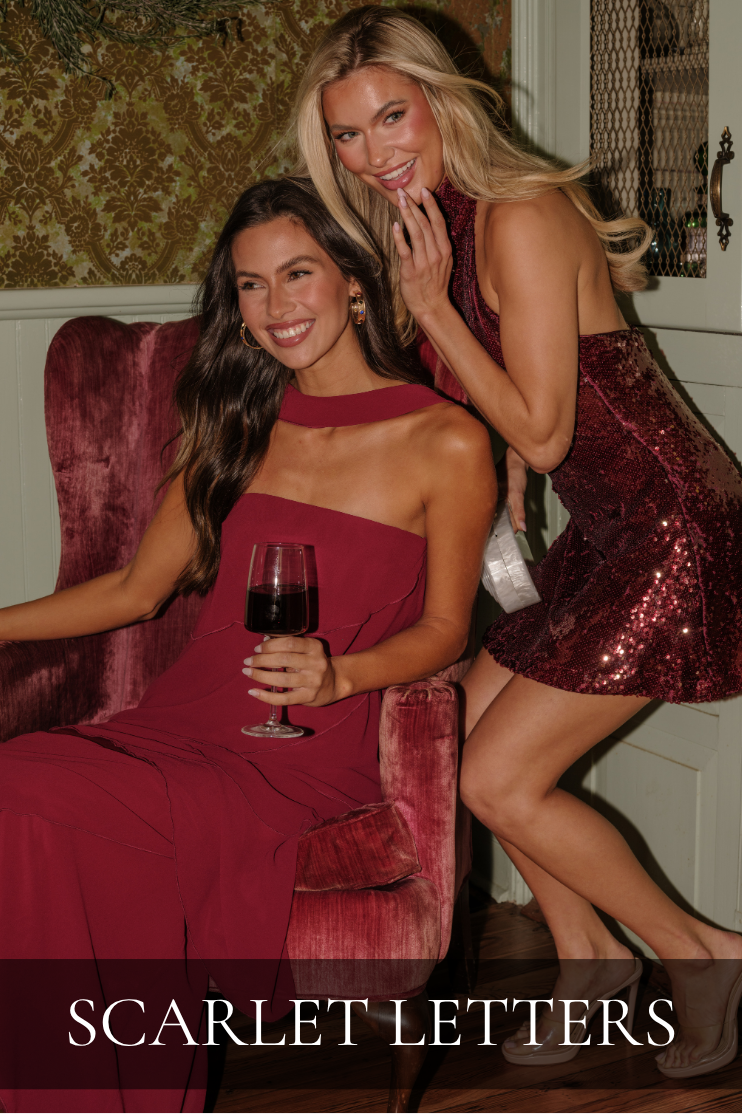
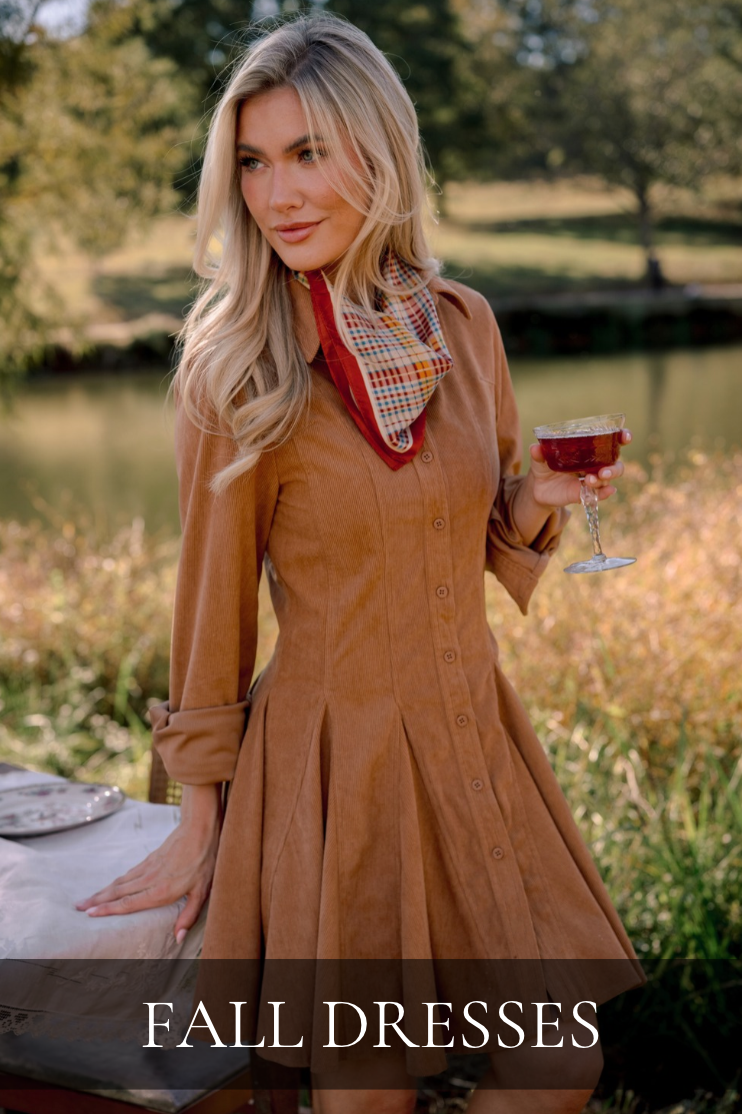
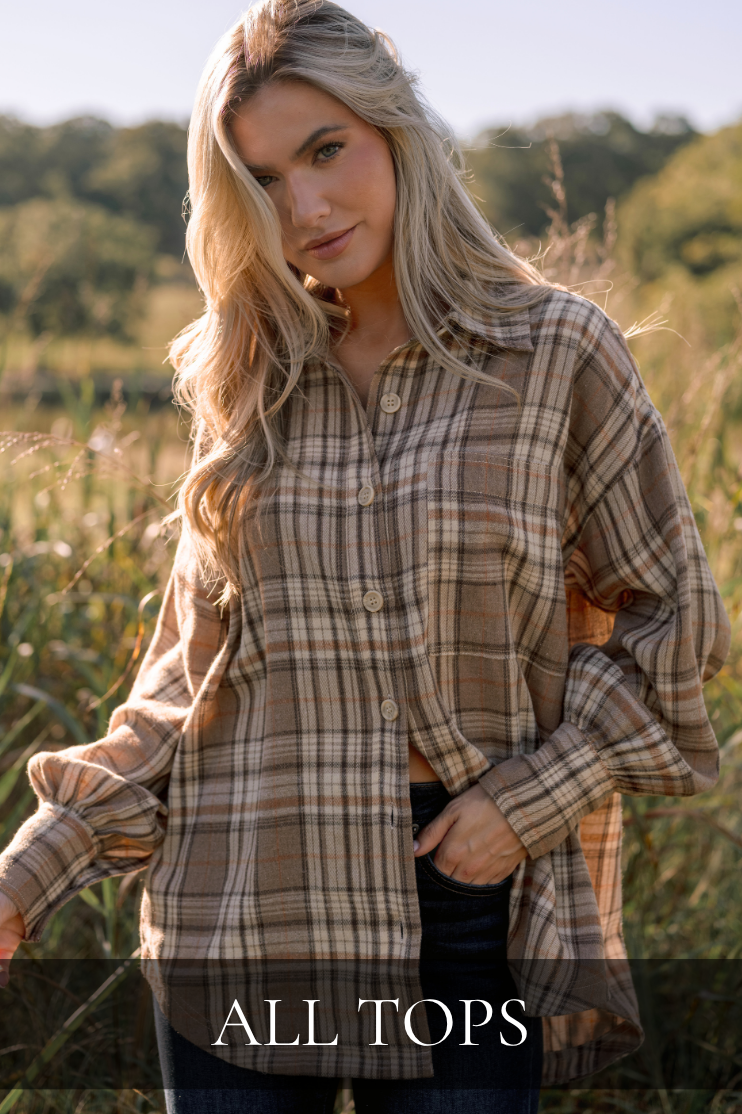
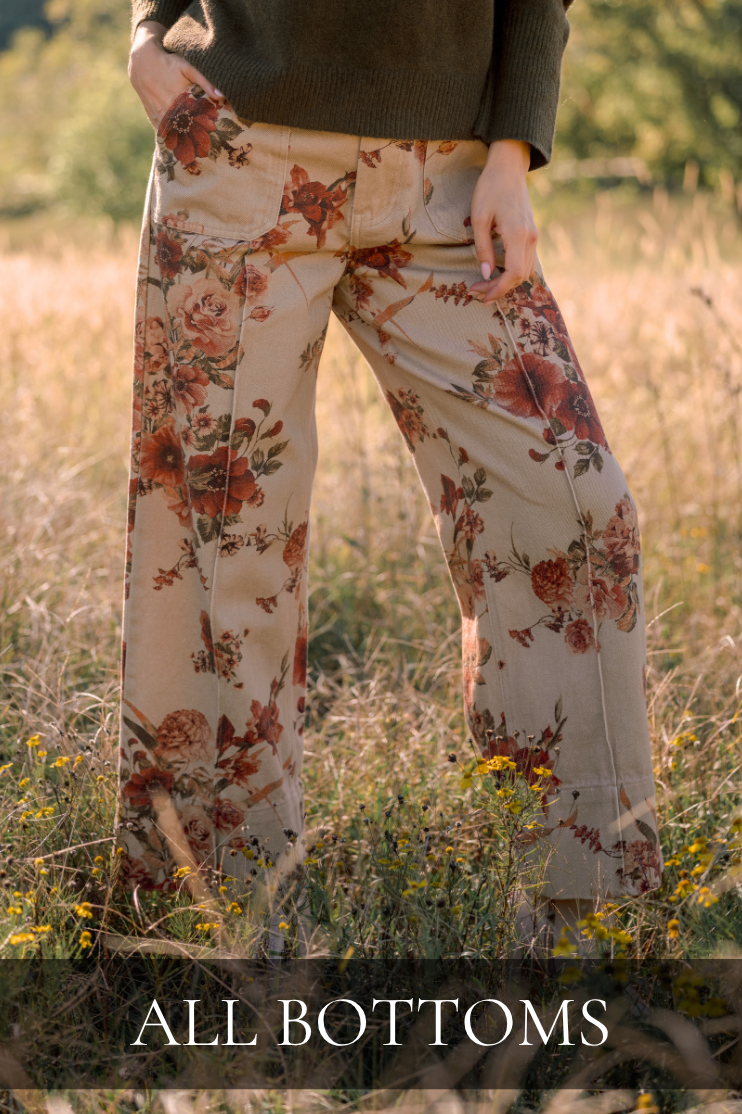


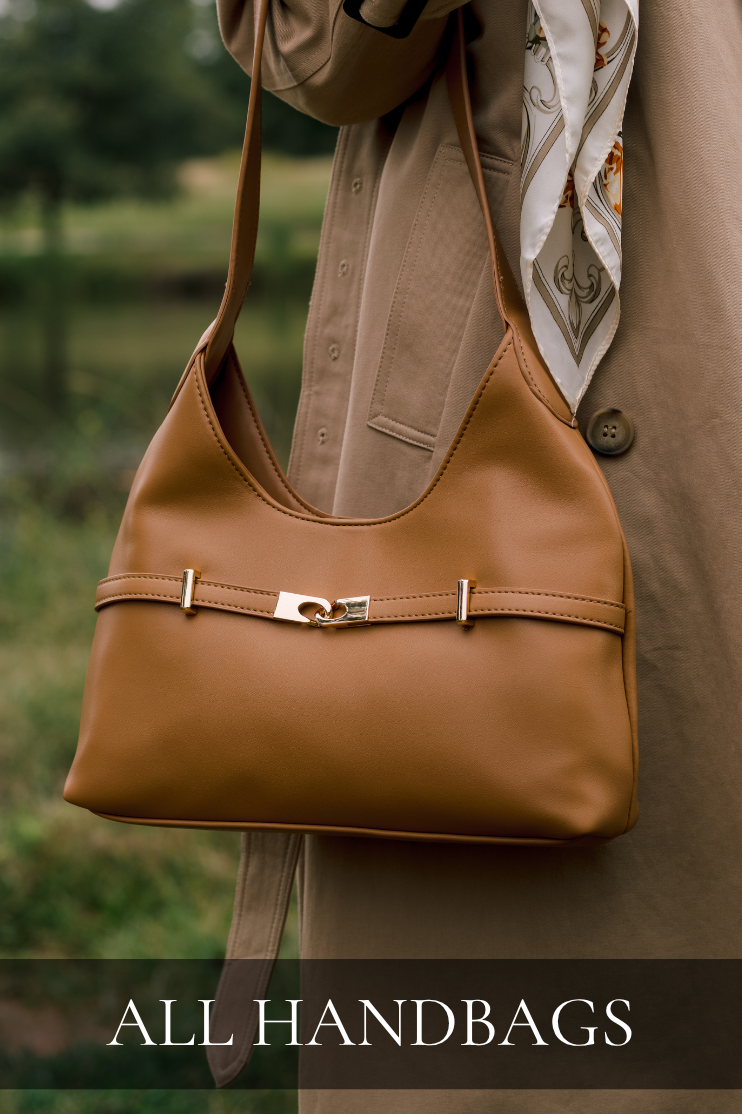
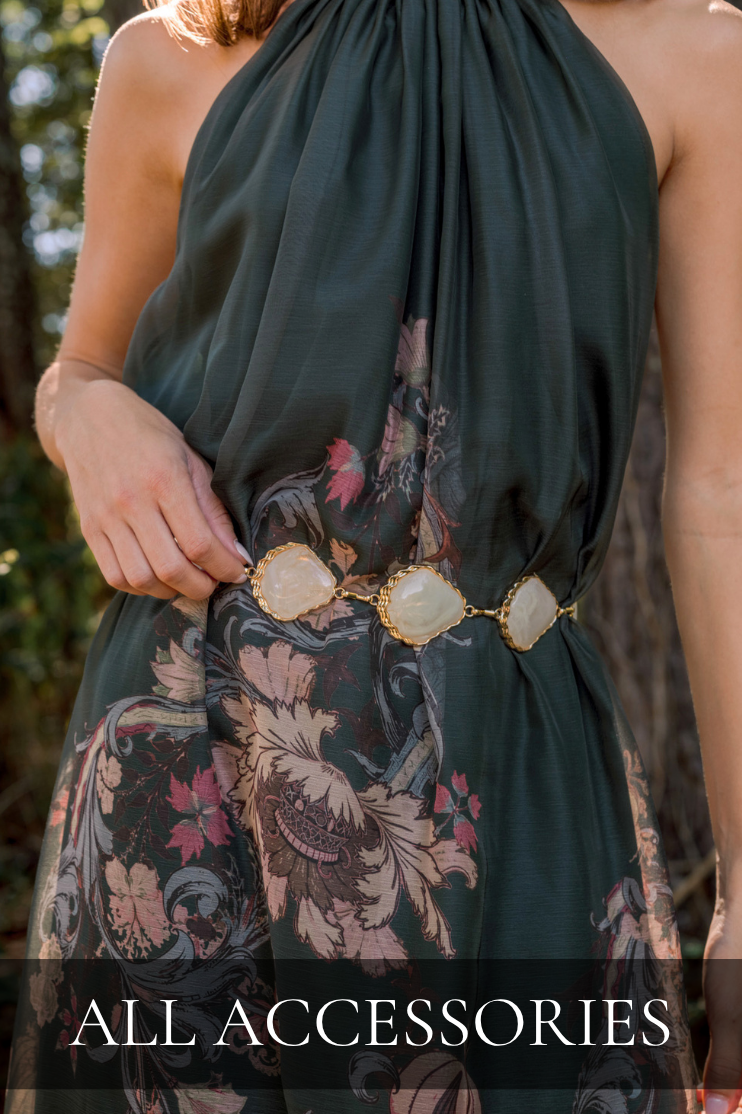
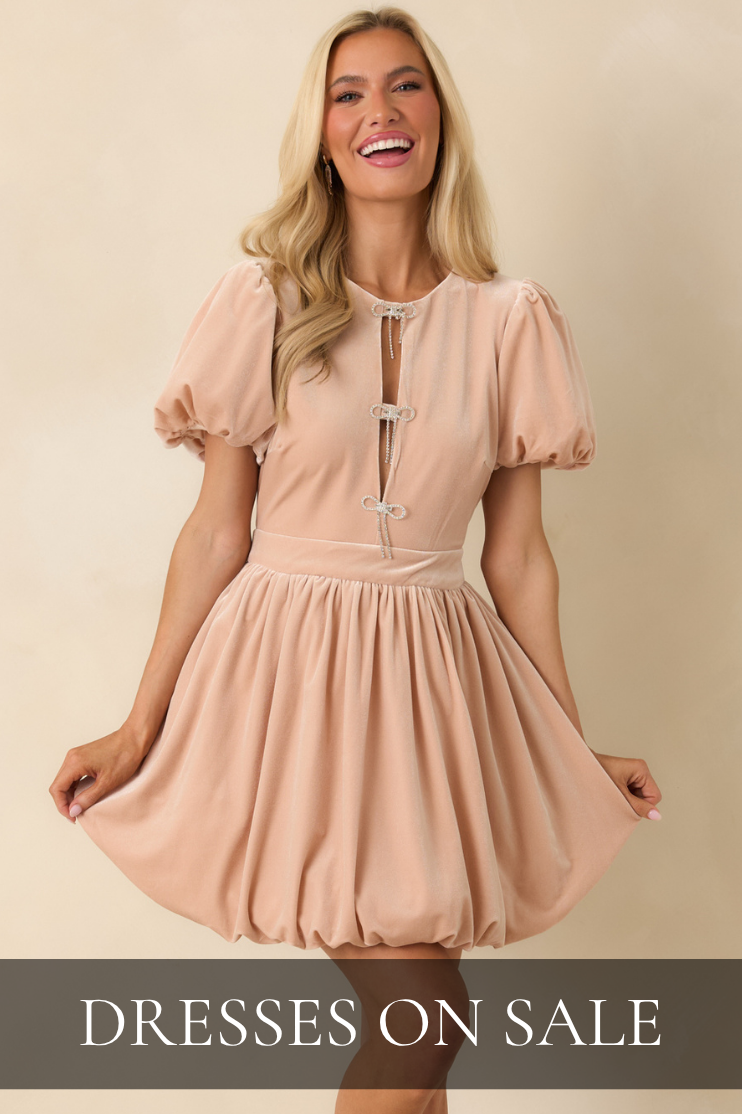
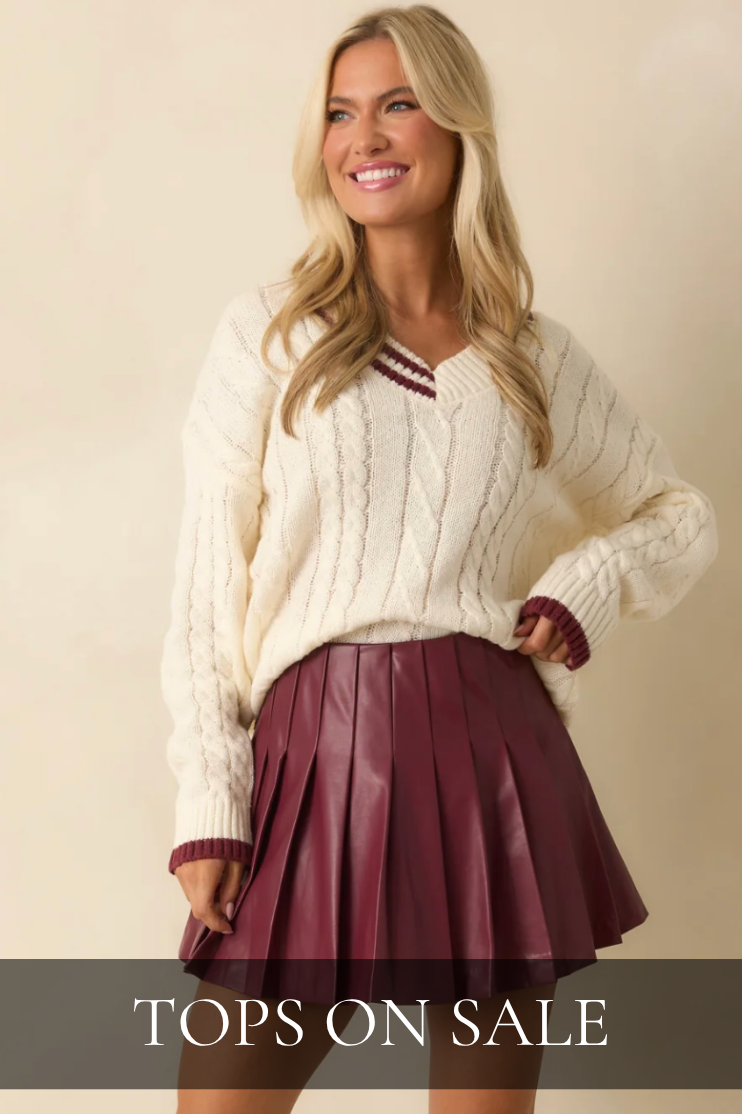


So, I should probably tell you about Prosperina.
Because if you have shopped Red Dress for a while, you have seen the name. Maybe you own one. Maybe you have wondered why some of the prints look a little different from everything else on the site, or why a dress suddenly has a scalloped edge, an unexpected border, a really good sleeve or pockets exactly where you hoped there would be pockets.
There is a reason for that.
I design it.
And I have been planning to do that for almost my entire life.
When I was five years old, I saw a dance dress at Columbus School of Dance that I wanted badly. And in my diary, in my own five-year-old handwriting, I wrote what I intended to do about it:
“What I’ll do is make one myself and have my own store.”
My diary, age five
That sentence makes me laugh now because I did, in fact, manage to make both things happen.
Just not in the order I expected.
The store came first.
I opened Red Dress in Athens in 2005, and for the next twenty years I spent my life buying clothes. Thousands and thousands of them. I learned what sold, what came back, what women wore over and over again and what looked beautiful on a hanger but somehow came out a muddled mess as soon as an actual human being put it on.
And even after all those years, I was still looking at clothes the same way that little girl had.
I love this, but I would move the waist.
The sleeve needs to change.
That fabric is wrong.
Why does this dress not have pockets when there is clearly room for pockets?
Eventually, the “make one myself” part of that diary entry caught up with the “have my own store” part.
That is Prosperina.
By seventeen, I had figured out what to call it. I wrote my father and told him I was going to be a fashion designer. There was no obvious road from where I was standing into the fashion industry. I did not go to fashion school. I did not have a family connection that opened a door somewhere. So, I learned another way.
I studied the clothes.
Vintage clothing became one of my best teachers because old garments will tell you exactly how they were made if you are curious enough to look.
I turned them inside out. I looked at the seams, the construction, how skirts were given volume, where the waist was placed, how collars were built and why certain proportions still looked beautiful decades later.

And then Red Dress gave me a completely different education.
Because when you are the retailer, you see what happens after the designer is finished.
You find out if the zipper works. You find out if the fabric feels cheap. You find out if the waist hits everyone three inches too high. You find out if a customer buys something in three colors because it is that good. And, you find out which dresses women remember years later.
I did that for almost two decades before I launched Prosperina.
So that by the time I finally sat down to design a commercial collection, I had spent most of my adult life learning what happens between the fashion sketch and a woman’s closet.
Who is Prosperina?
Prosperina is the clothing line I design, but it is also where a lot of the things I have loved about clothing for most of my life finally have a place to live together.
The original Prosperina lookbook described the brand as classic lines, familiar fabrics and nostalgic trims, and that still feels right. But nostalgic does not mean I want the clothes to look old. I am interested in the things that survived.
The shape that still looks beautiful fifty years later.
The floral you recognize without knowing exactly what it reminds you of.
The cotton dress that feels like home the first time you put it on.


Prosperina prints are developed specifically for the collection and hand-painted by female graphic designers. Sometimes the inspiration begins with a place. Sometimes it is an old textile, a garden, fruit, architecture, wallpaper, a painting or something I saw while traveling that would not leave my head. Then we start figuring out what the artwork wants to become. And that part is much more technical than it looks.
A print cannot just be dropped onto every dress in the collection at the same scale. Where does the border land? What happens when it reaches the waist seam? Does it need to mirror at the bottom of the skirt? Does the sleeve need less print than the body? Would the artwork look better on a midi because it needs more room?
Sometimes we change the garment because of the print. Sometimes we change the print because of the garment. And sometimes we move the same thing three times before it finally looks right.


When Prosperina first launched, one of the things I kept saying was: touch the fabric.
I meant it and I still do. There are parts of clothing you simply cannot experience through a photograph. You cannot feel the weight of cotton or if it was brushed to be the softest thing you have ever felt. You cannot feel how softly a knit moves. You cannot tell how a skirt falls when you walk across a room. And the fabric changes almost everything about the design.
It changes the structure. It changes the movement. It changes how the garment feels after you have been wearing it for six hours instead of six minutes.

Cotton became a large part of Prosperina very early because it works beautifully with the kinds of clothes I like to make. It holds a full skirt without making it stiff, it takes color beautifully and it gets better with wear. Also, I live in Georgia. I am very familiar with what happens when the wrong fabric meets our hot and humid July.


But not every piece should be cotton. Sometimes a garment needs satin. Sometimes it needs a knit. Sometimes the silhouette needs more weight or structure. The fabric just has to make sense for the piece.


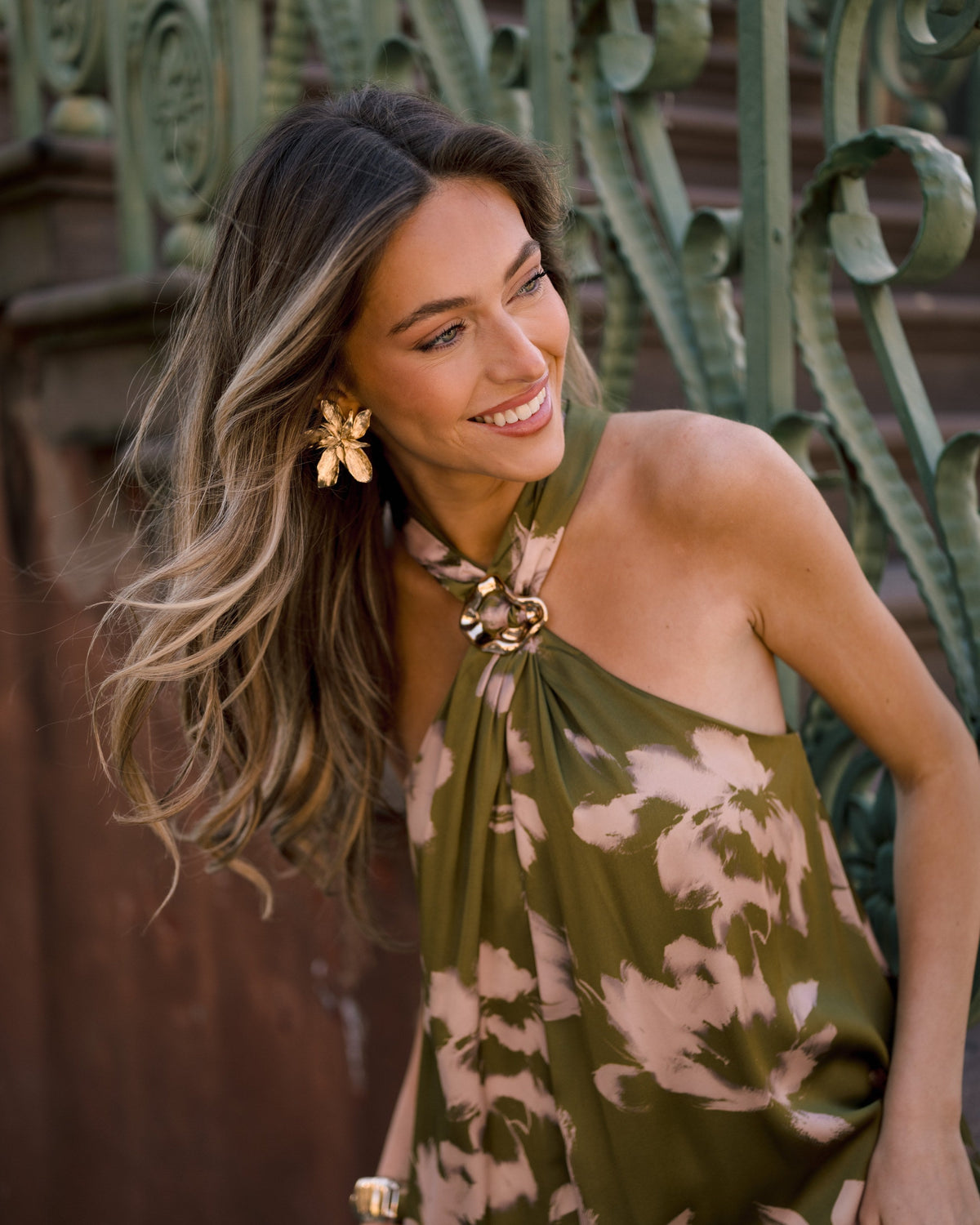
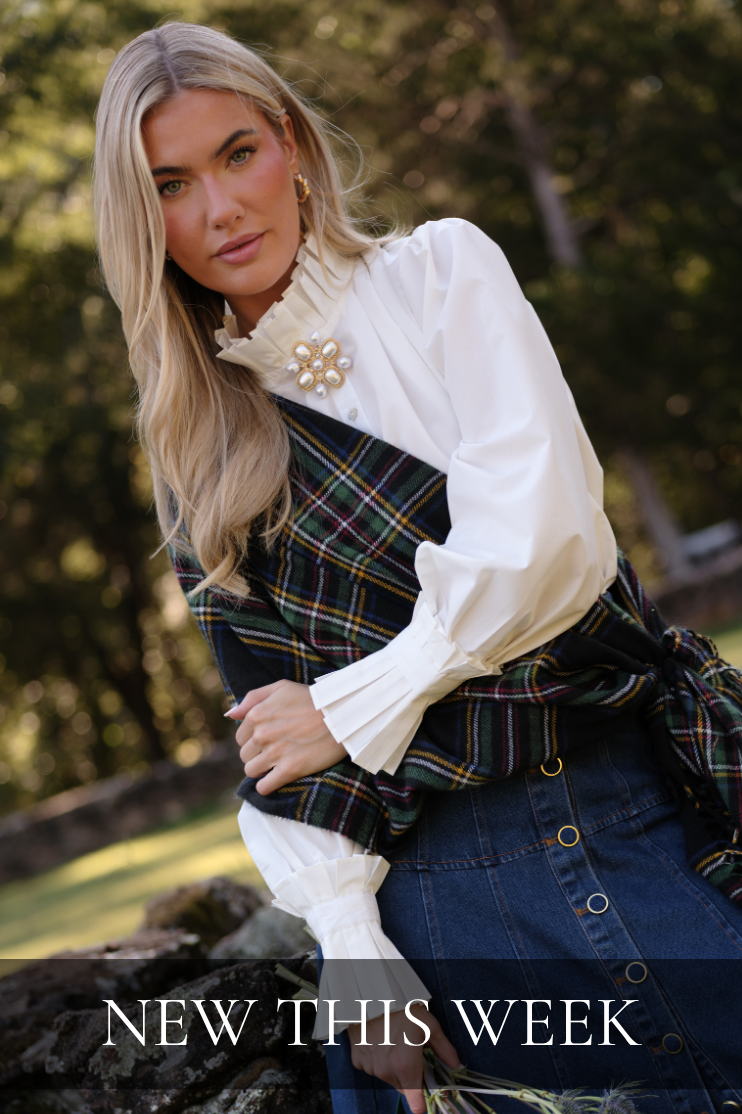
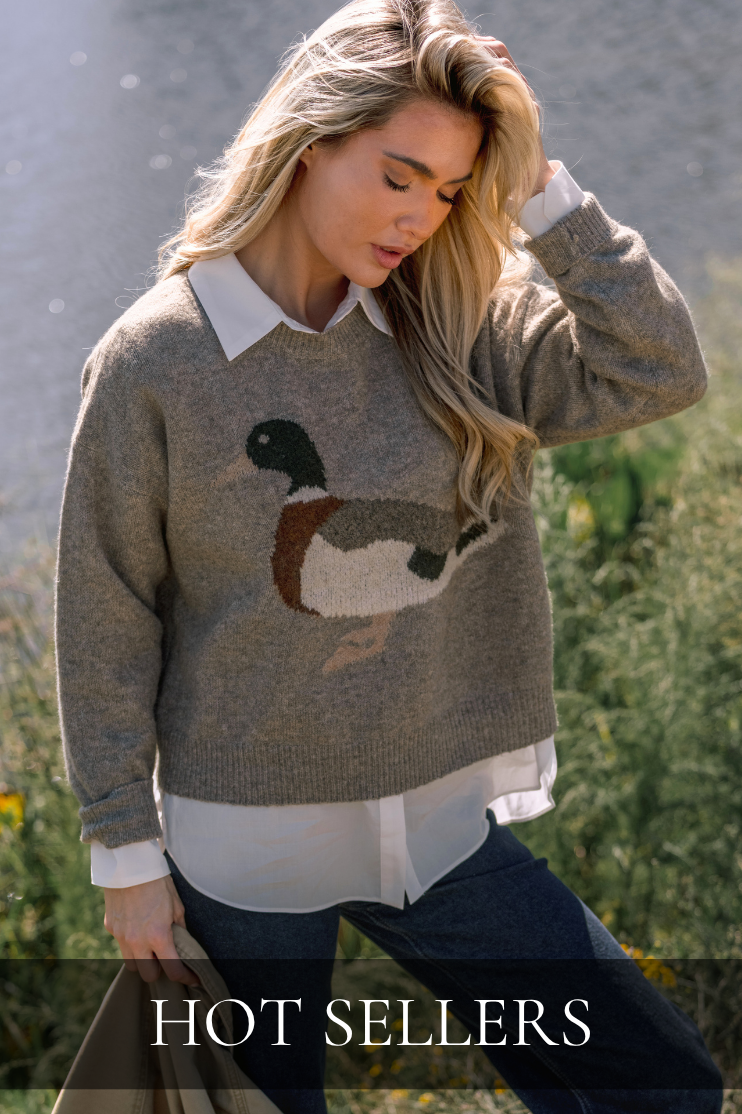
The pieces in these photographs

Plaza Mint Green Convertible Sequin Midi Skirt

Bond White & Mint Green Convertible Button Front Shirt

Arden Red Multi Yacht Club Cotton Maxi Dress

Felicity Blue Gingham Embroidered Midi Dress

Fablekeeper Ivory Multi Folk Art Knit Sweater

Dakota Ivory Cable Knit Sweater Maxi Dress

Bedford Brown Multi Floral Stripe Cotton Smocked Blouse

Arden Pink Multi Chinoiserie Cotton Maxi Dress

Camille Pink Multi Chinoiserie Cotton Mini Shift Dress
In 2024, when Prosperina was still very new, I wrote something about the brand that I still come back to: designed to be felt.
Part of that was about the clothes themselves, but part of it was about where I wanted Prosperina to live. I believe in independent boutiques because Red Dress started as one. I know what happens inside those stores when they are good. When someone remembers what you bought last time. When they know which brand runs small. When they hand you something you would never have picked up yourself and tell you to try it anyway.
I wanted Prosperina to be experienced that way.

A limited selection is always available through Red Dress, but I wanted the larger collection in boutiques where women could touch it, try it on and see how all the pieces worked together. Because the collections were never meant to be a group of unrelated garments. They were designed as wardrobes.
From the beginning, I wanted Prosperina to be a seasonal wardrobe instead of a collection where every piece was independent. We are busy women and sometimes the last decision you want to make is what matches with what.
I wanted tops that worked with more than one skirt. I wanted a jacket that could work with the dress and with denim you already own. I wanted matching sets that still made sense when you split them apart.
You should be able to buy a handful of pieces and keep finding new ways to wear them and I do not want clothing to feel disposable.
If something is going into my closet, it should have a job. Preferably several.


Carmen Multi Scallop Print Maxi Ball Skirt

Ellie Multi Scallop Print Button Back Top

Bernadette Cotton Candy Pink Wool Blend Coat

Vale Ivory Multi Ornament Feather Trim Top

Callie Ivory Multi Ornament Print Pants

Lisette Green Multi Ornament Print Strapless Midi Dress

Aveline Green Satin Bow Tiered Mini Dress

Lilly Cranberry Red Ruffle Mini Dress

Cecily Red Ruffle Neck Maxi Dress
Which is how we got to Reversatility
One of the first ideas I developed for Prosperina was reversible clothing.
We called it Reversatility™. The Spring 2025 collection included garments designed to give you two genuinely different looks from one piece and reversible clothing is far more complicated to make well than it looks. For one, both sides have to be finished impeccably. The seams have to work from either direction. Closures have to make sense. And most importantly, both versions have to be something you would have wanted even if the other side did not exist, otherwise why make it?


You can see that idea in pieces like the Prosperina Kendall Olive Multi Cotton Reversible Midi Dress and the Prosperina Vionette Green Multi Cotton Reversible Wrap Mini Skirt.
It goes back to the same idea I had for the collection from the beginning. I wanted to create fewer pieces but have more ways to wear them.
Two looks, one piece

Kendall Olive Multi Cotton Reversible Midi Dress

Vionette Green Multi Cotton Reversible Wrap Mini Skirt
And then there are all the little things
A lot of what makes a Prosperina piece feel like Prosperina happens in the little details.
The scallop.
The vintage button.
The collar.
The belt.
The trims.
How wide the cuff is.
Where the pocket sits.
How the border meets the hem.
These things are rarely added at the end. In fact, most of them are there in my original sketch. And sometimes one very small thing can hold up an entire garment because I know something is wrong even when I cannot immediately tell you what it is. My team calls it my freaky crystal ball.
Then eventually I see it. The pearl button is too large. The belt is breaking the print in the wrong place. The scallop needs to be smaller. The skirt needs another inch. And once I see it, come hell or high water, we are changing it. There is no productive conversation in which someone tells me, “No one will notice.”
Because I noticed.


Red Dress changed the designer I became
I sometimes wonder what I would have designed if I had gone directly from seventeen-year-old me into fashion school and launched a label right away. I do not think it would have looked like Prosperina, because Red Dress came first. And for almost twenty years, I had women teaching me what mattered. I saw what they bought. I saw what they returned. I saw where fit consistently went wrong. I knew how disappointing a beautiful dress could be when the fabric did not live up to the photograph. And I knew there were certain pieces customers remembered long after they were gone. They would message me years later:
“Do you remember that dress?”
Usually, I did.

That became part of what I wanted from Prosperina.
I wanted to make clothes worth remembering. And maybe then, when they wore it, they would remember me too. Because as a designer, we put a little piece of our soul into every piece we create.
Why Independent Boutiques Still Matter to Me
Prosperina was never intended to belong only to Red Dress. I wanted it in independent boutiques because I know what it means to own one. I know what it feels like to look at a new collection and decide to spend your own money on a brand your customers have never heard of.
I know the risk.
I also know the feeling when the boxes arrive and you immediately know you bought the right thing. Small stores do something that online and algorithms still cannot quite reproduce.
They know their customers.

They introduce women to brands they were not searching for. They build relationships around clothing. Prosperina was created with those stores in mind from the beginning because as hard and exhausting as owning a store front can be, the one part I miss the most is the relationships I made with my customers.
And somehow, five-year-old me was right


That little diary entry gets me now. I mean, five-year-olds want things all day long, but it is what I wrote next:
“What I’ll do is make one myself and have my own store.”
My diary, age five
I wrote that sentence with the certainty of it. I did not know how either one of those things worked. I did not know what a buyer was. I did not know how clothes were manufactured. I certainly did not know anything about wholesale, factories, margins, line sheets, production calendars or the approximately nine thousand decisions hiding inside one dress.
I just knew what I wanted to do.
The store came first. And it became Red Dress. Then it took me almost twenty more years to get back to the other half of that sentence. Make one myself.
That became Prosperina.
— Diana