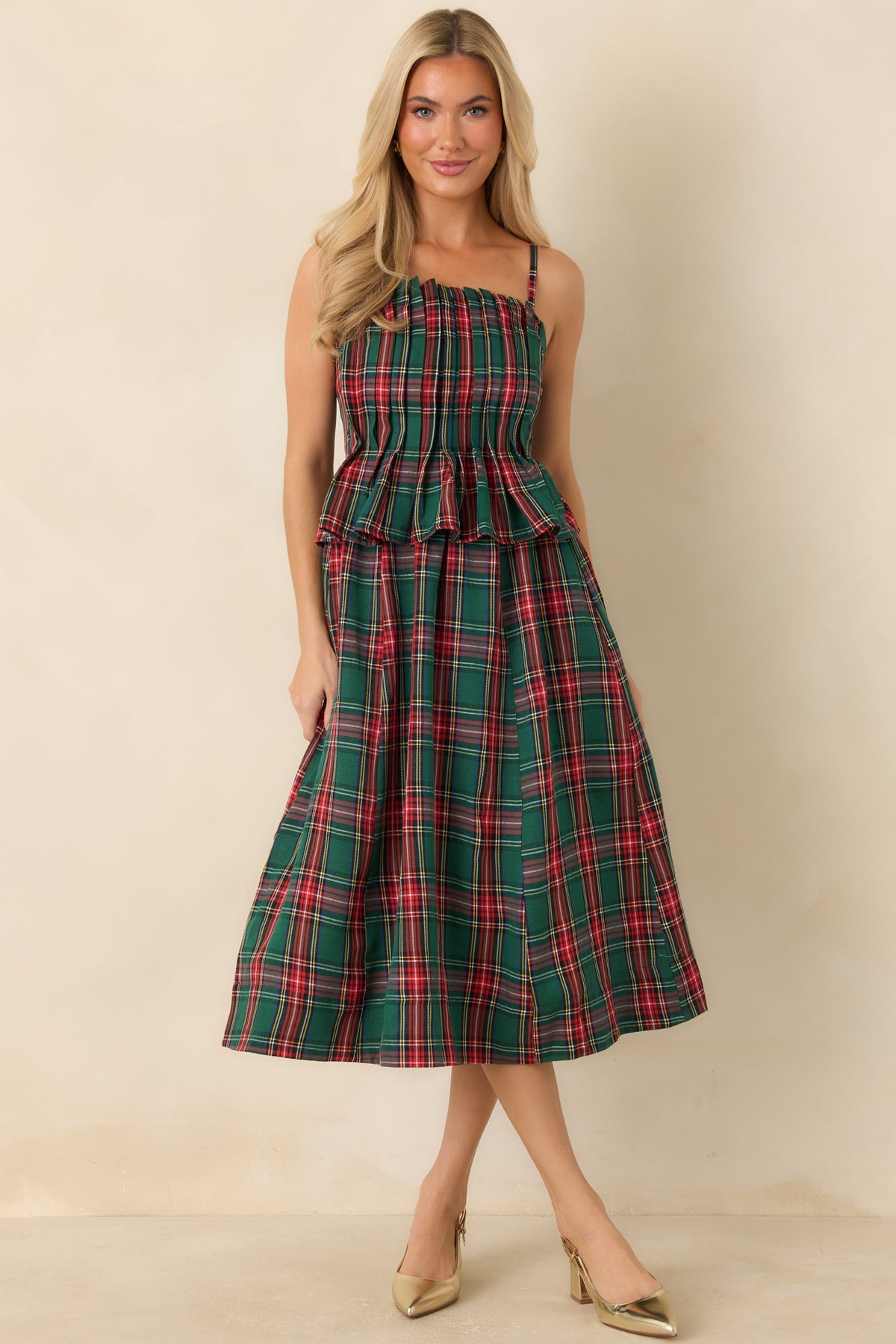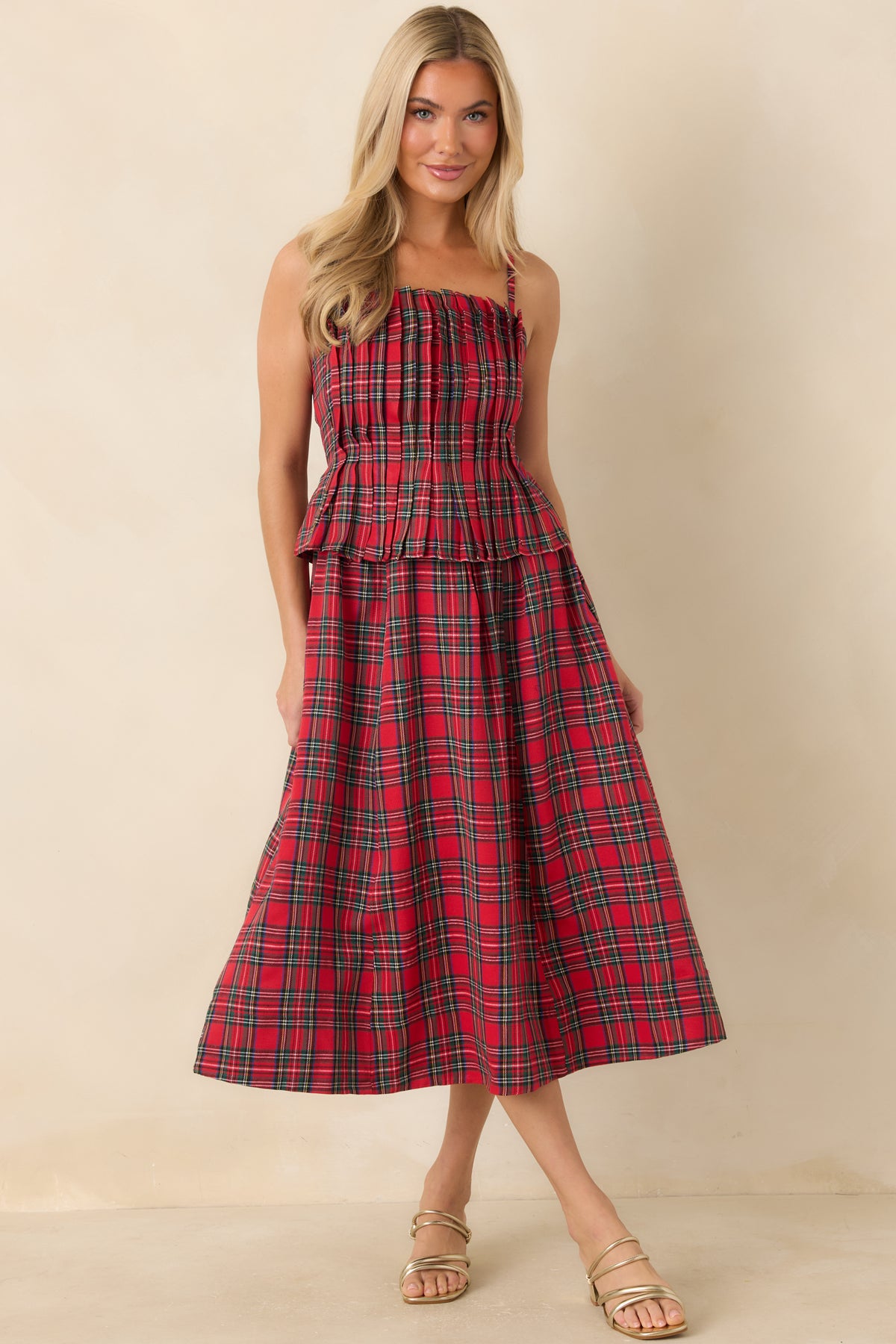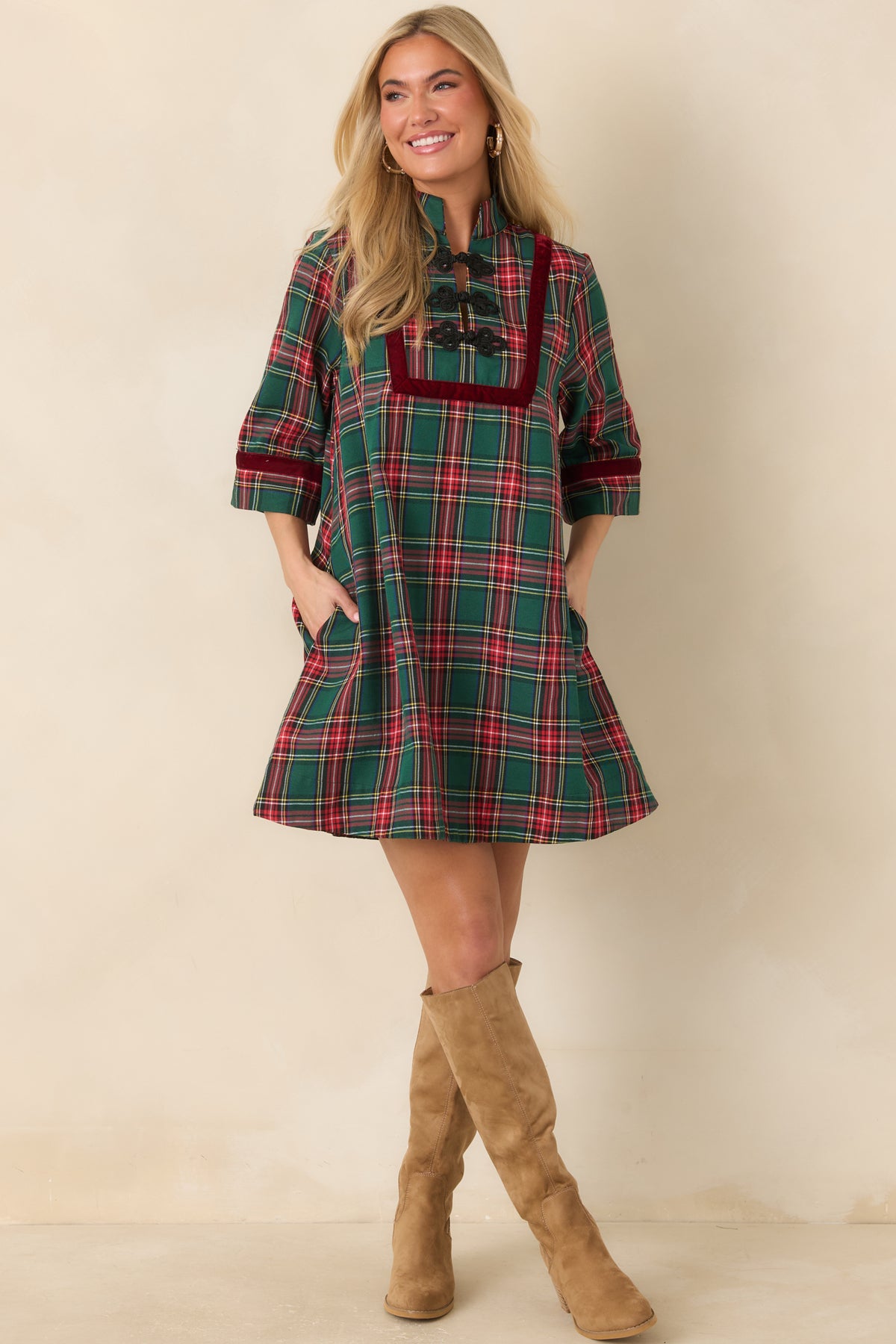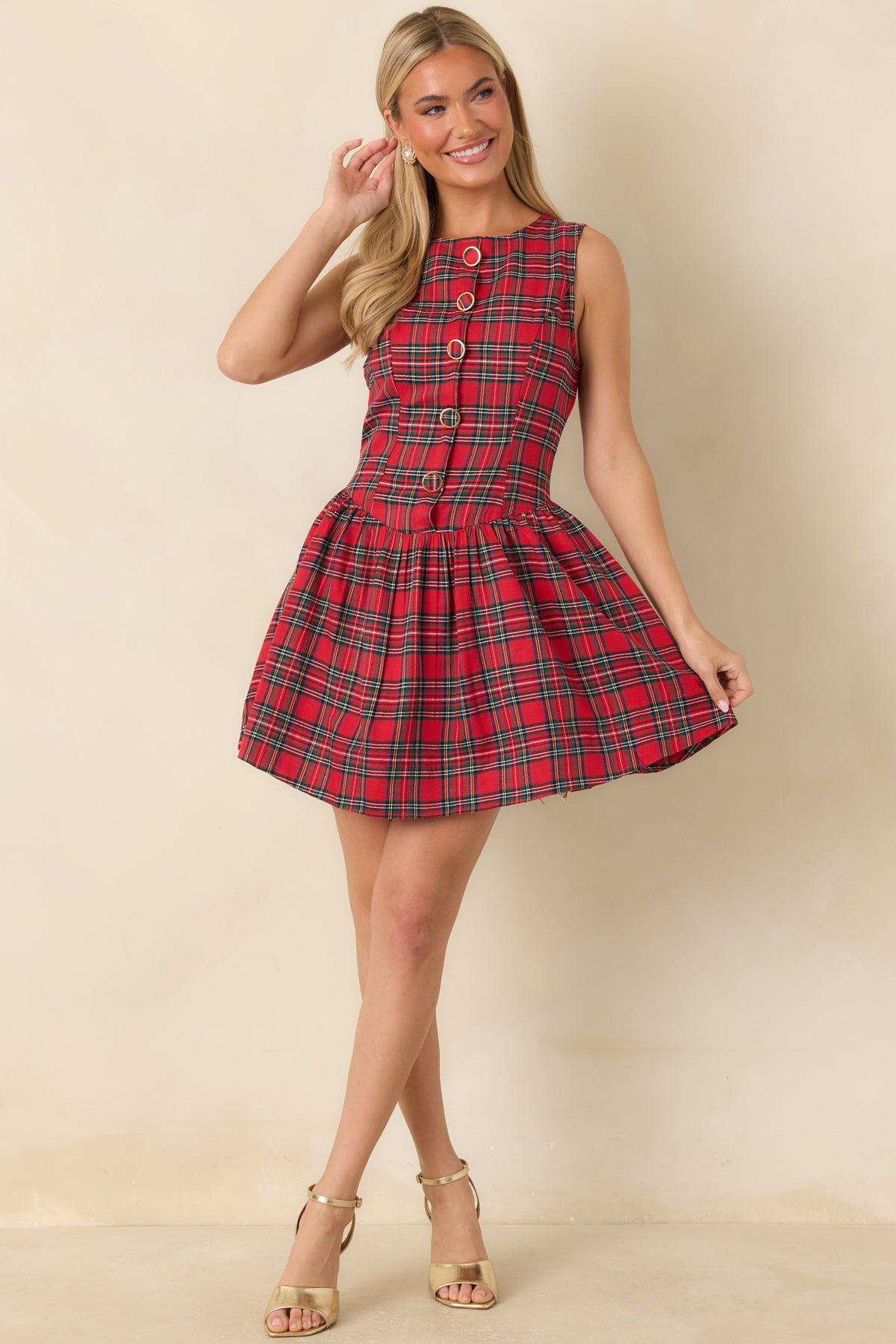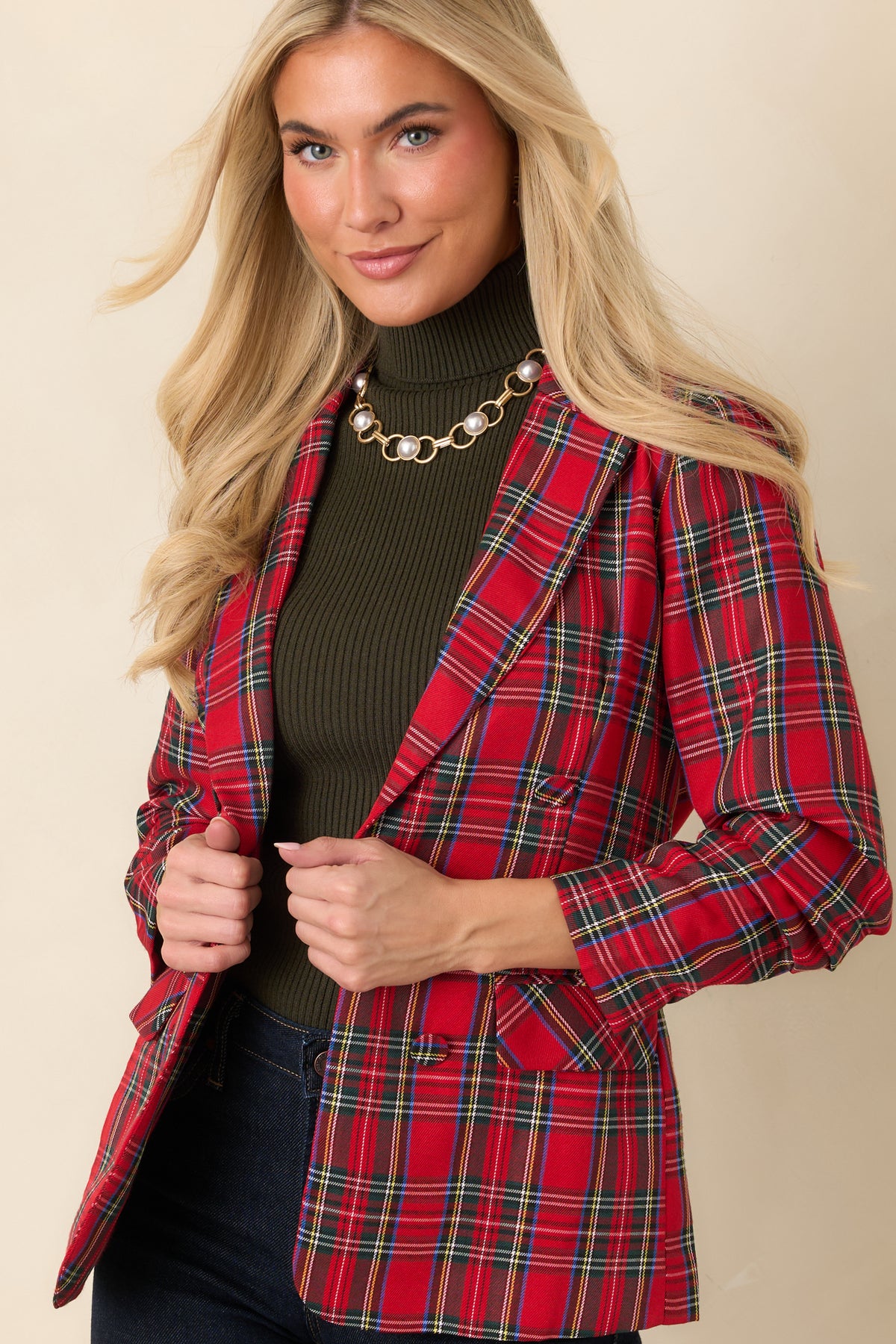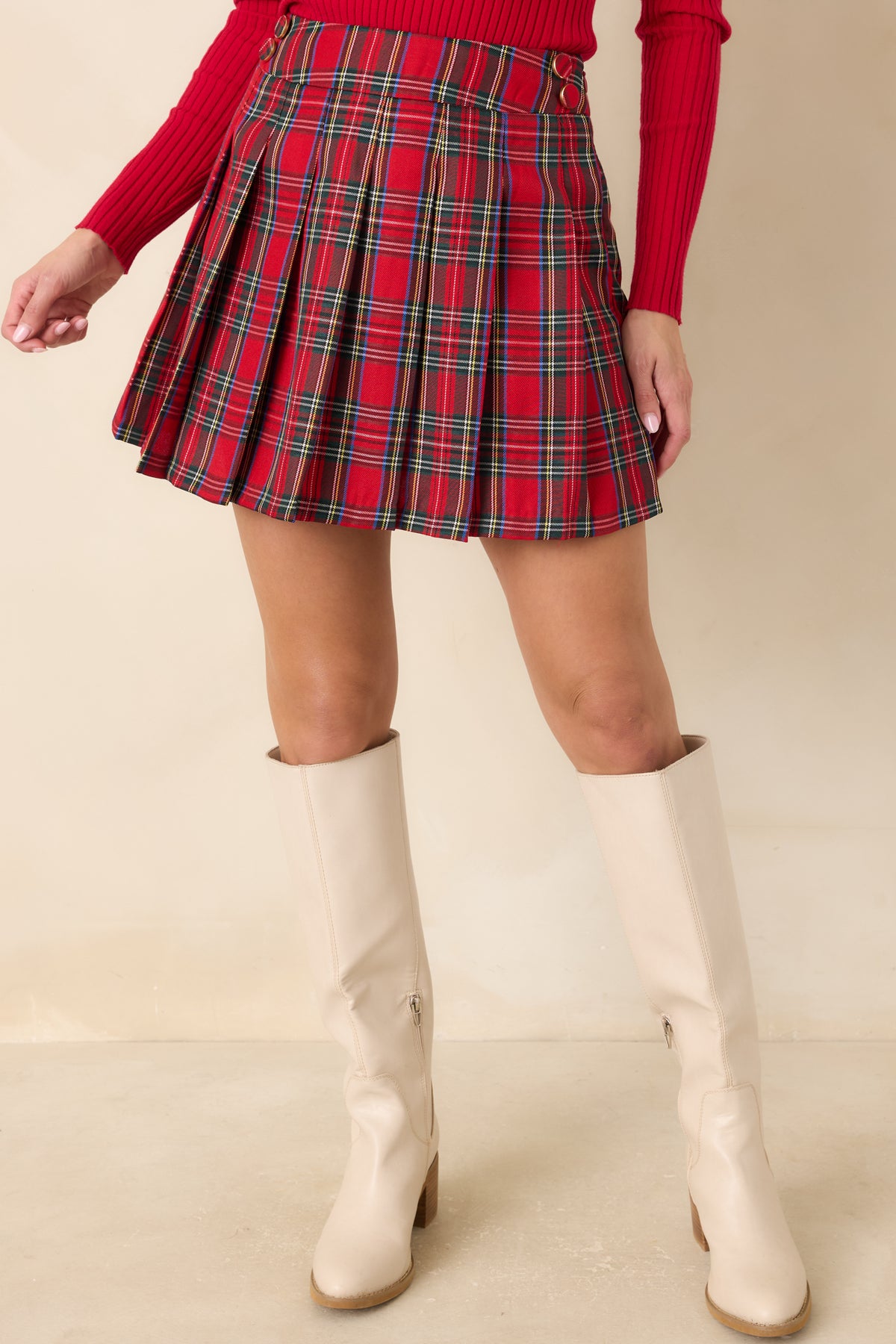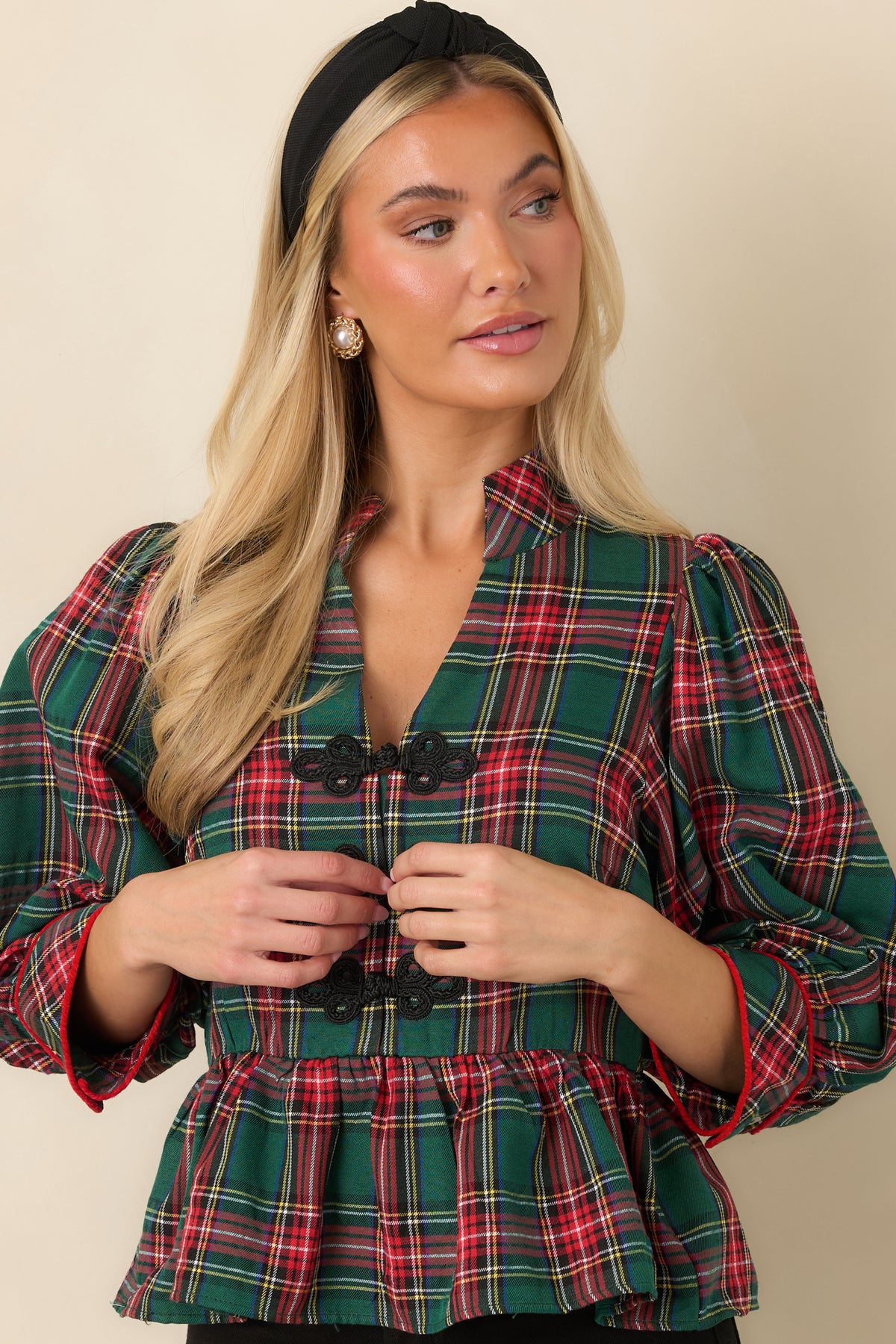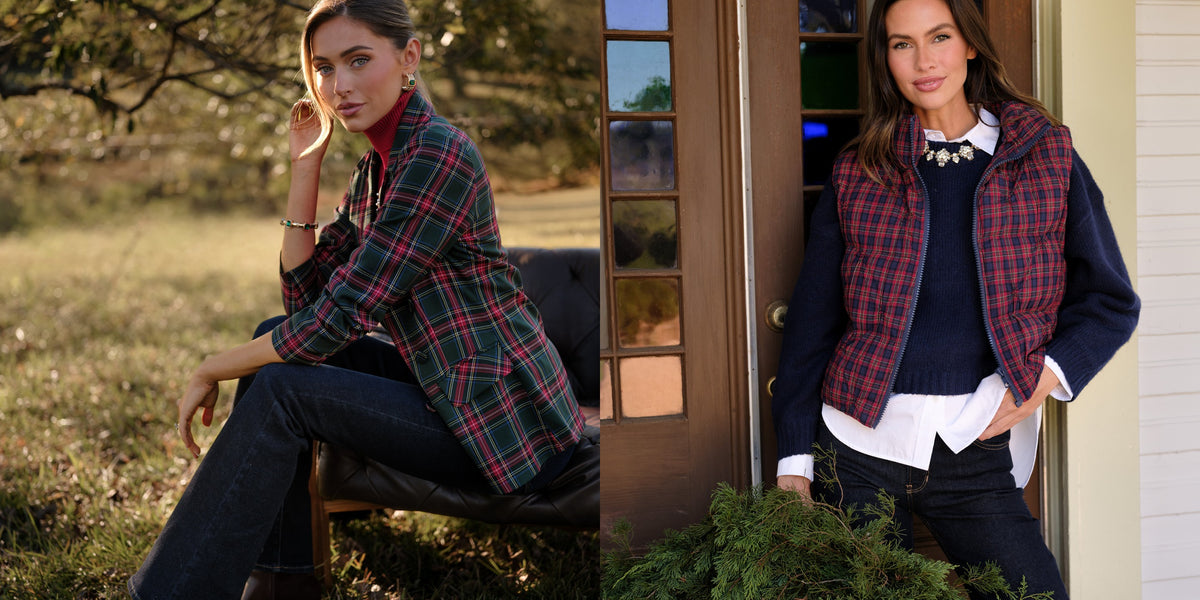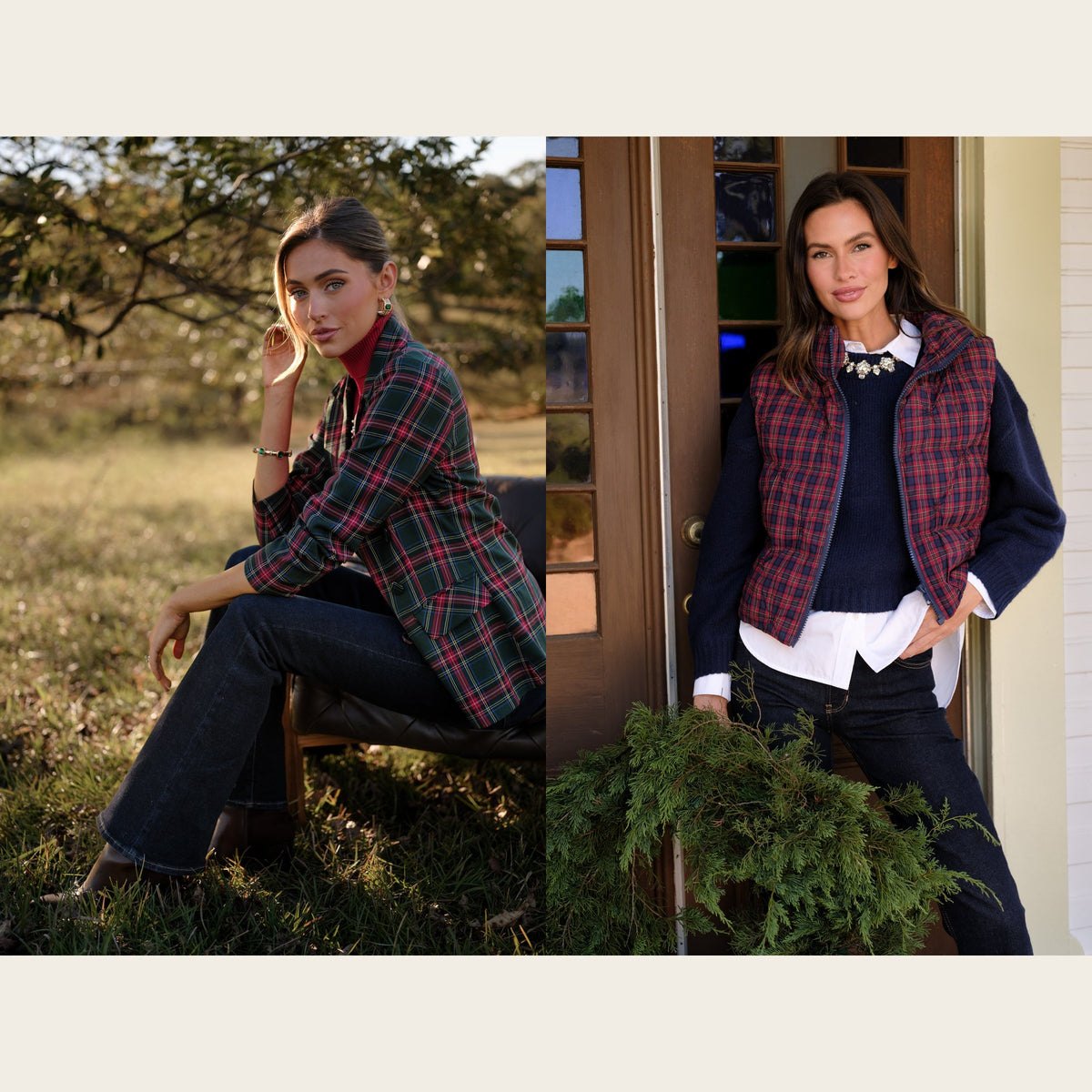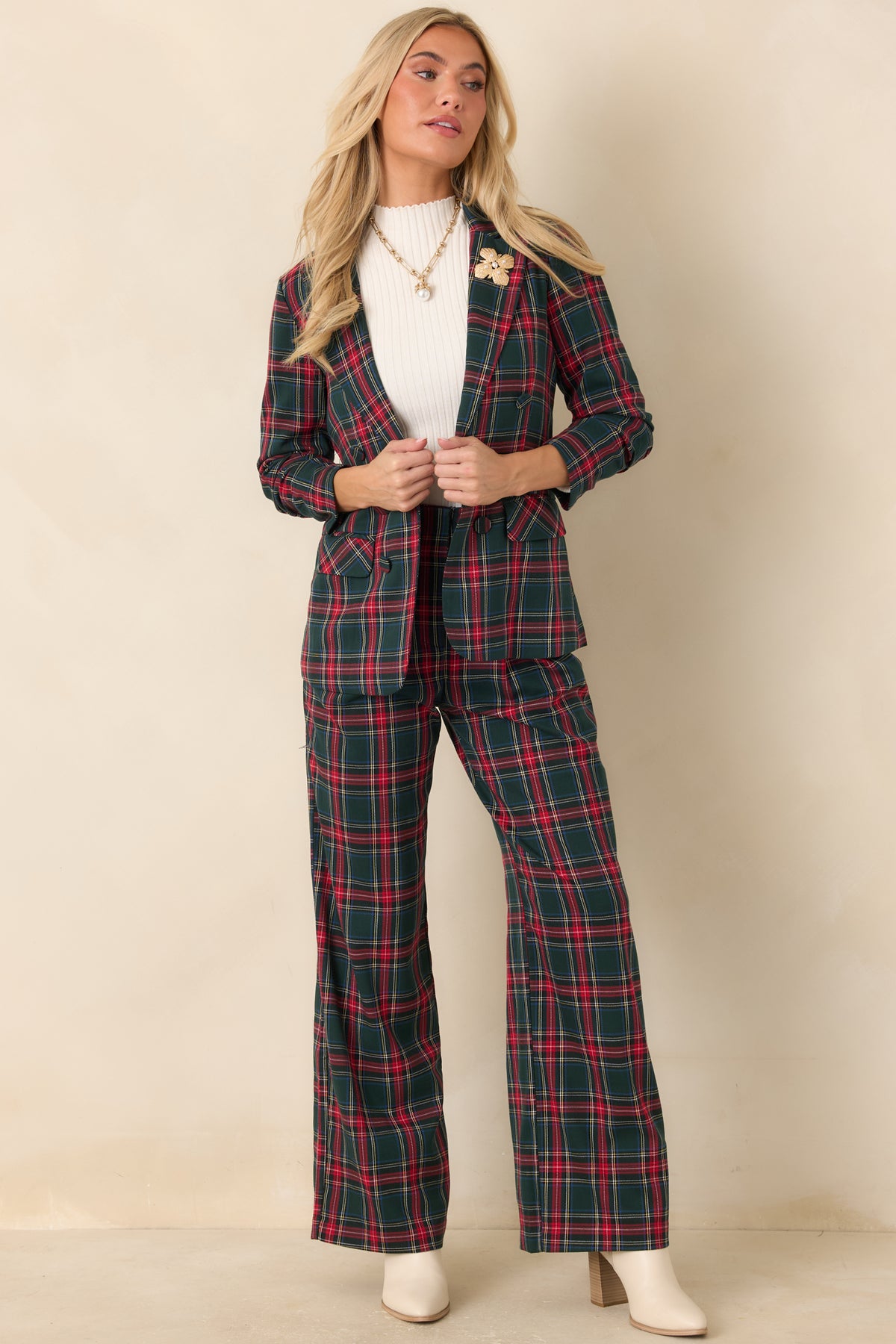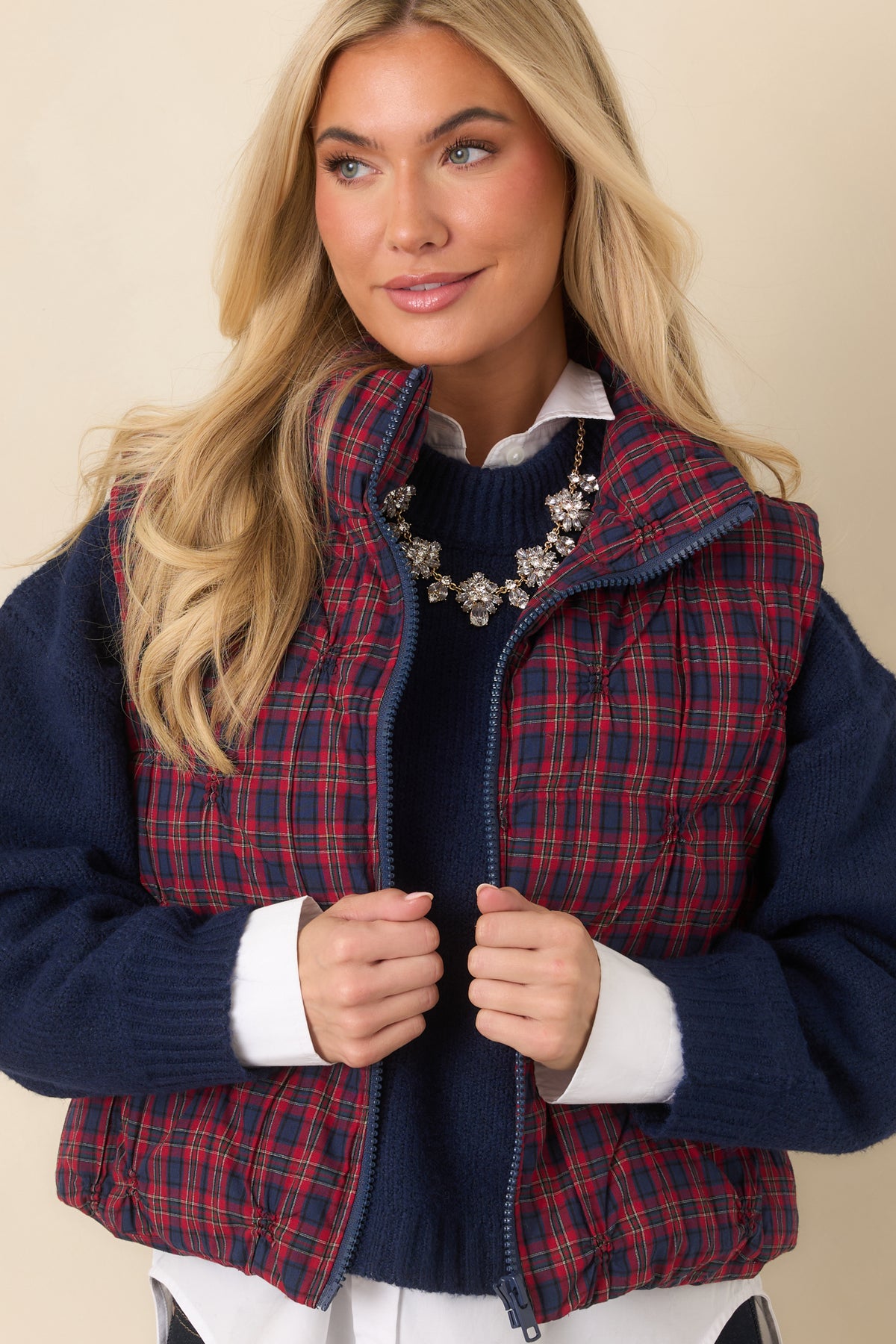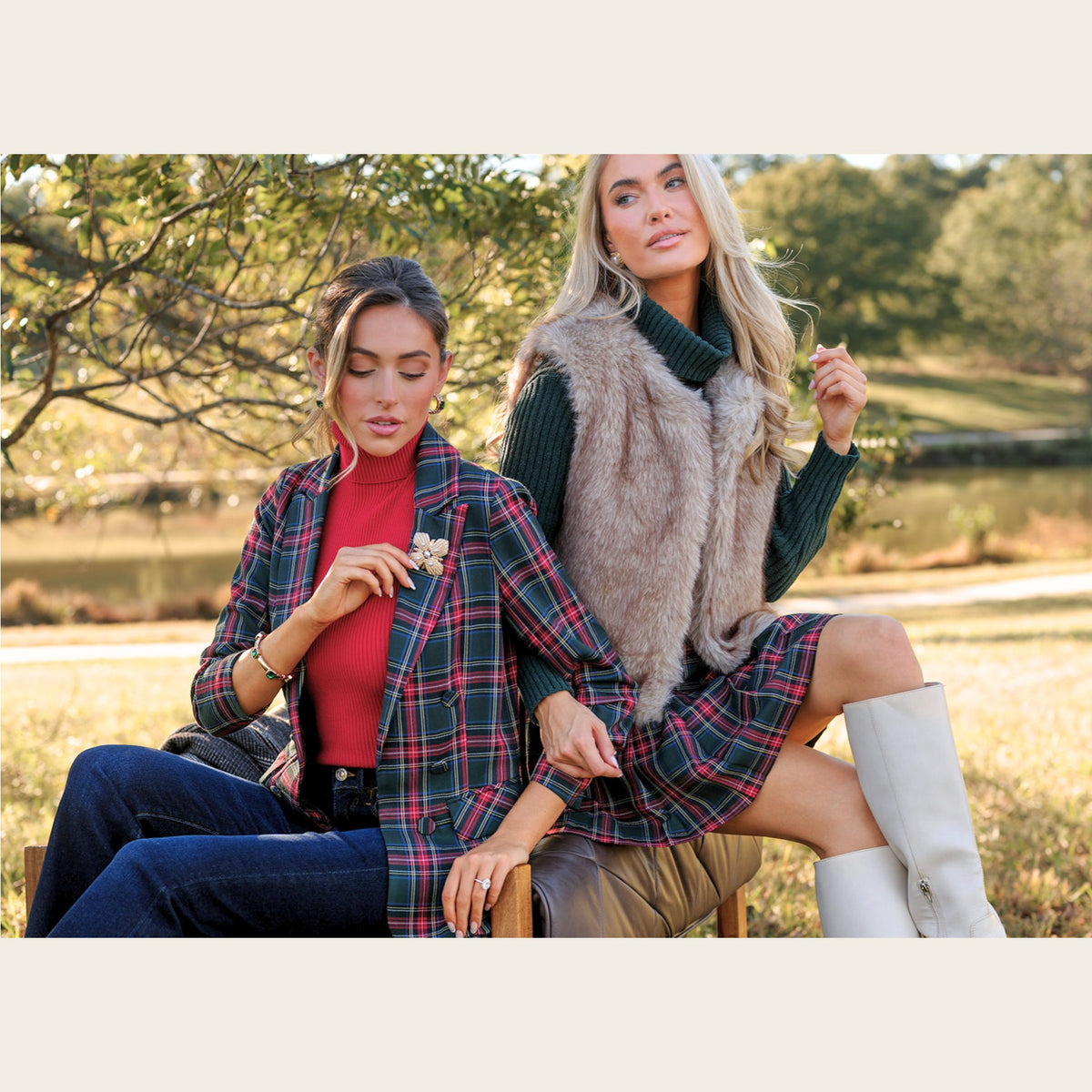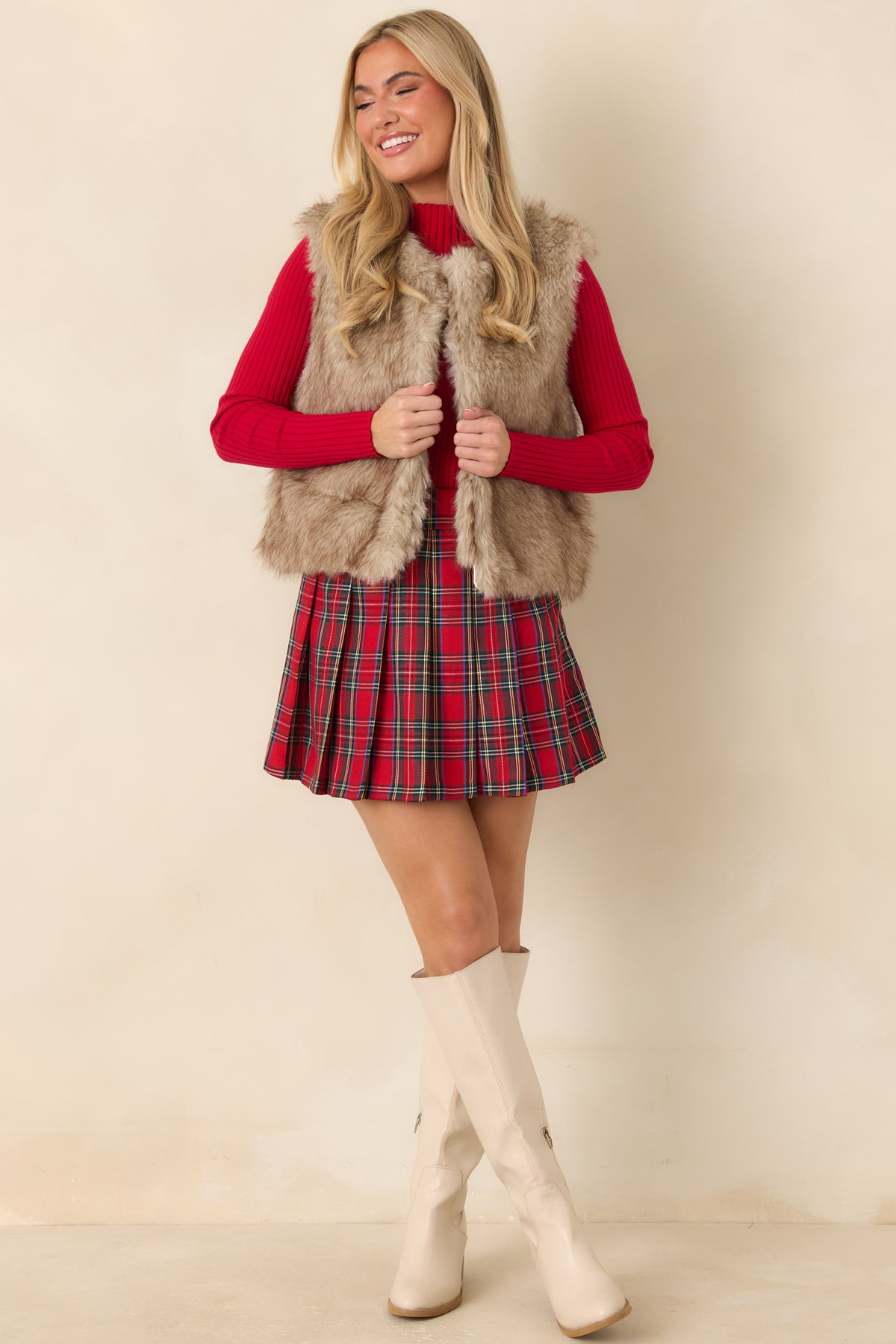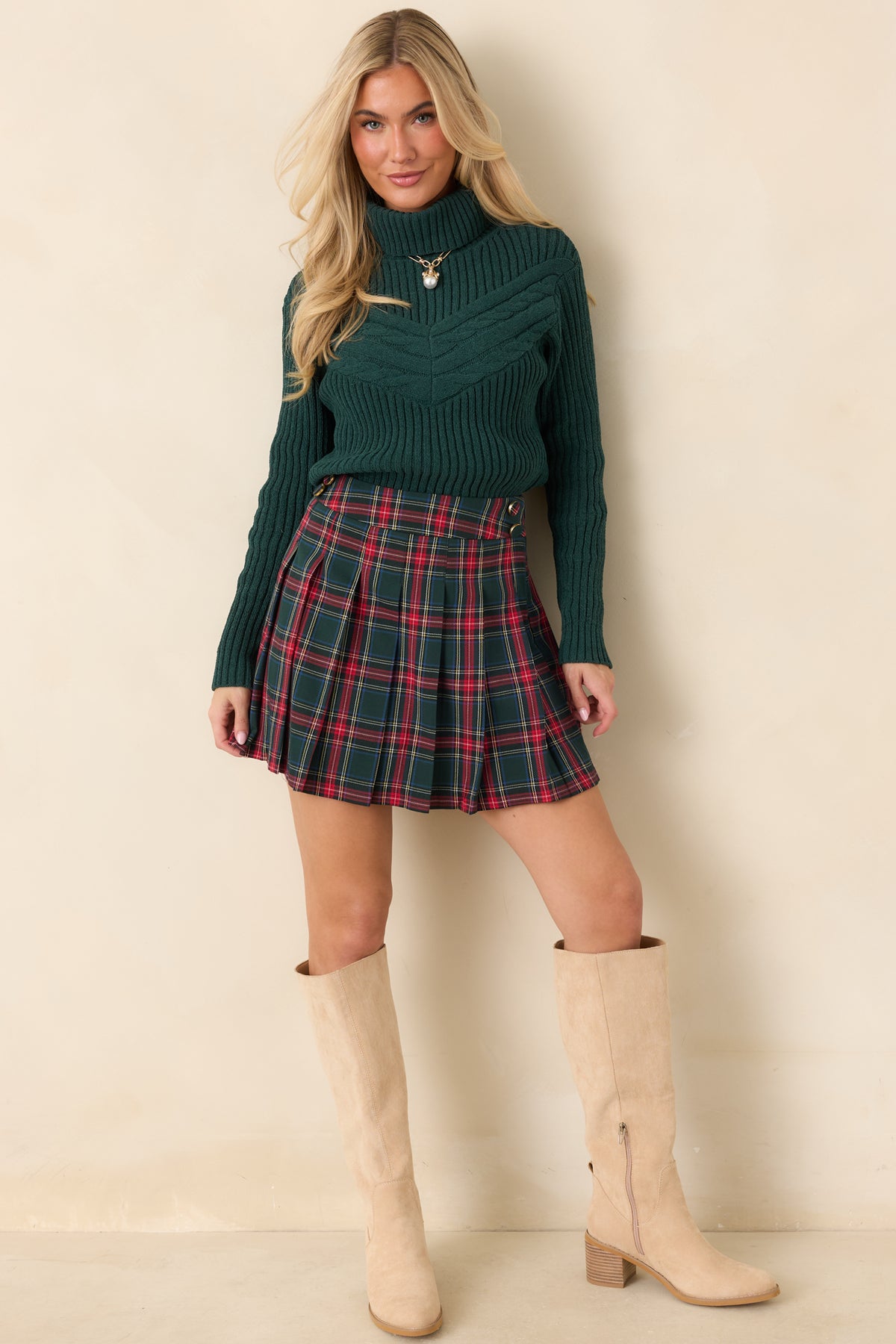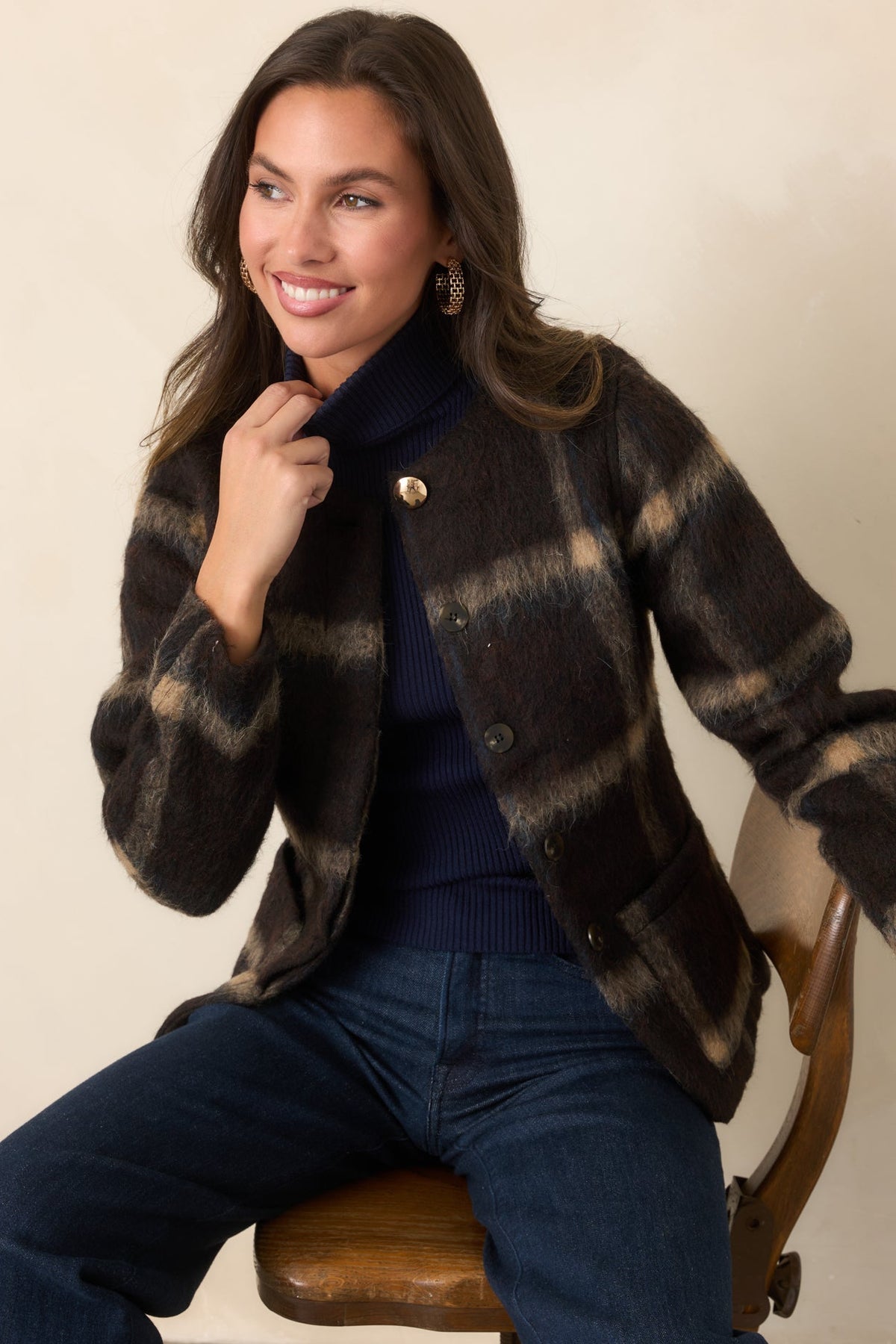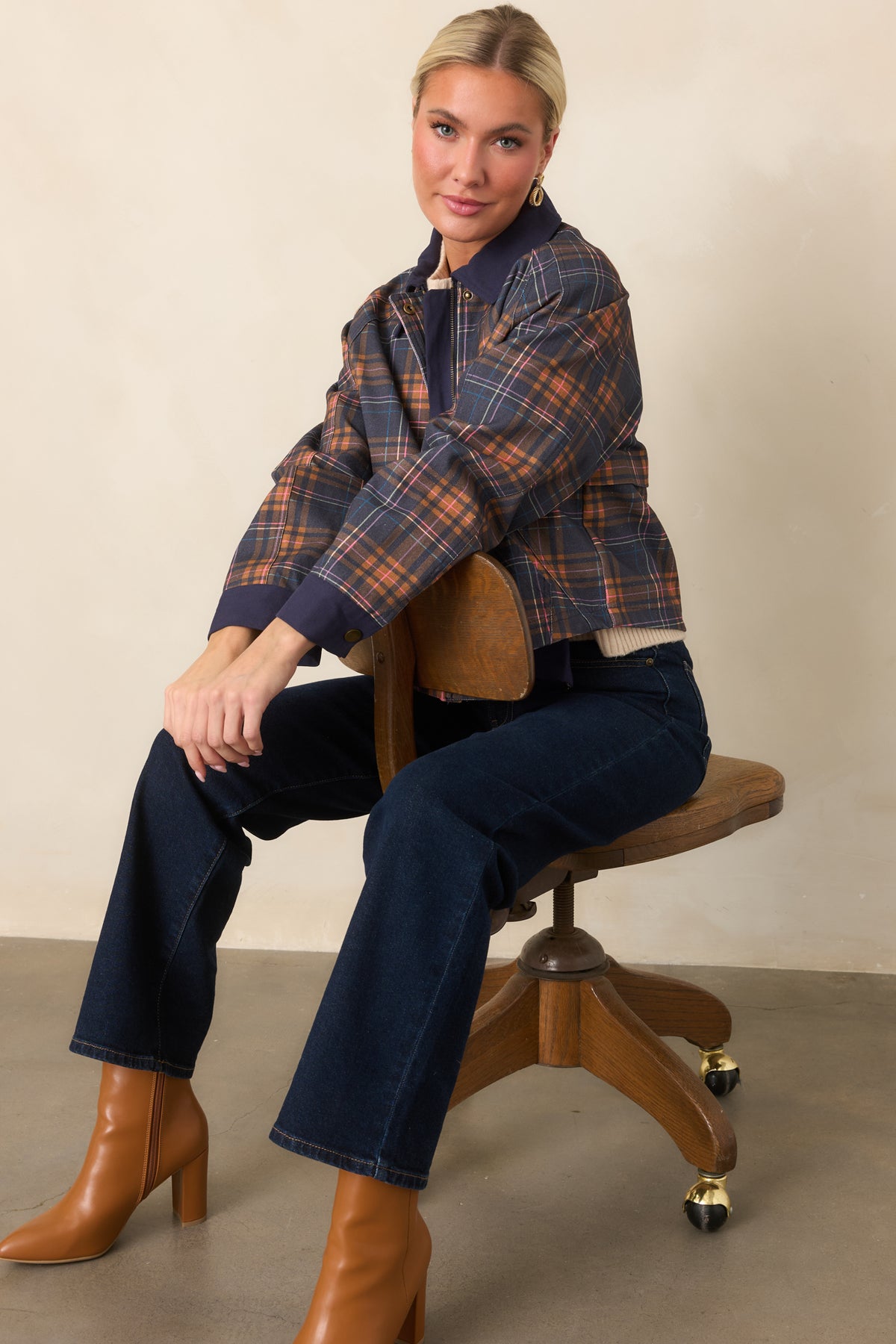
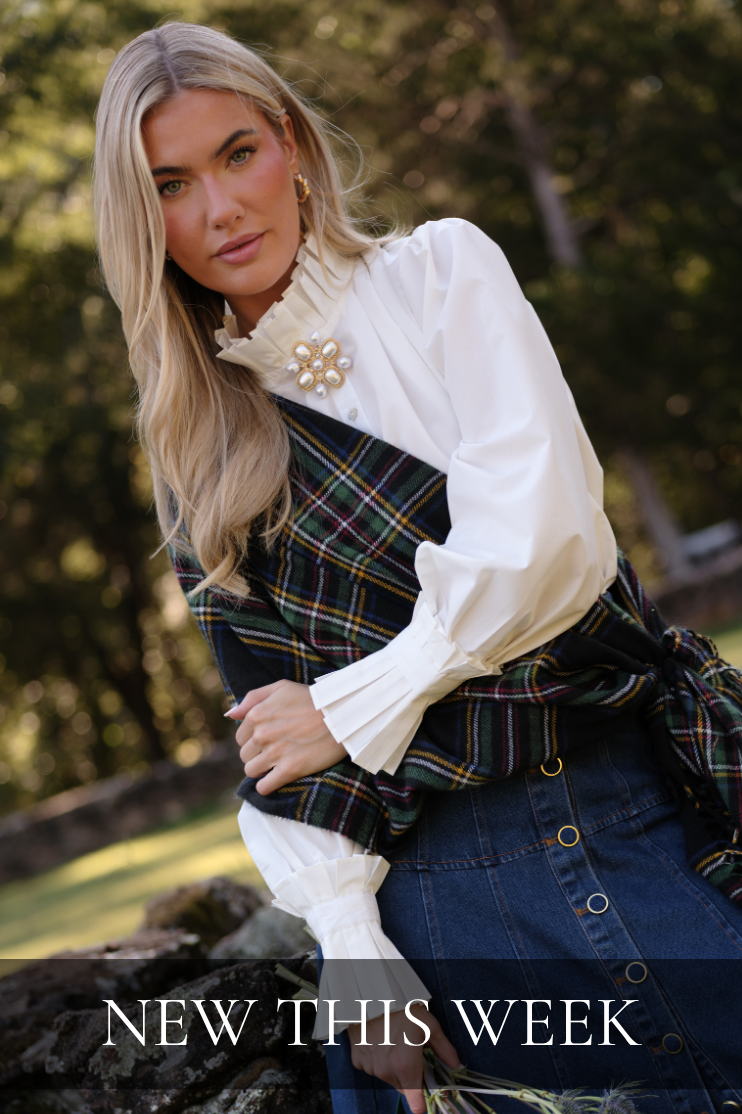




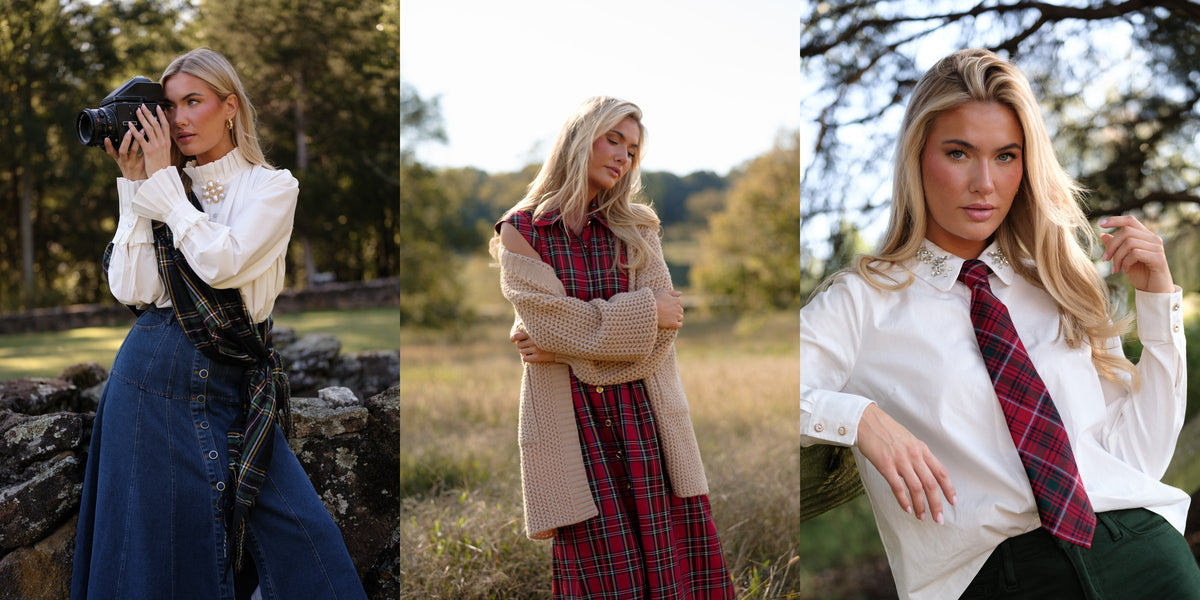

Why Your Christmas Dress Is Tartan
A brief history of rebellion, royalty and why your Christmas dress is plaid.
Before tartan was wrapped around presents, draped across holiday tables and put on every Christmas dress imaginable, it had a much more dramatic life.
Politics. Rebellion. Royal approval. Victorian obsession. And eventually, Christmas.
And because my husband's last name is MacKellar, I feel I am now contractually obligated by marriage to take this subject very seriously. The Scottish Register of Tartans confirms that MacKellar does, in fact, have registered clan and family tartans. There is even a MacKellar Dress tartan, which frankly feels a little on the nose for me.
The Short Version
First, a housekeeping note. Technically, tartan is the woven pattern of intersecting bands of color. "Plaid" originally meant a piece of Highland cloth or a garment made from it. Here in America we have spent a very long time calling the pattern plaid, and I have no intention of beginning a diplomatic incident over your Christmas dress. Tartan when we are being historically responsible. Plaid when we are shopping.
Tartan was closely tied to Highland identity, and after the Jacobite defeat at Culloden in 1746 the British government restricted Highland dress. Tartan survived in the Highland regiments serving the British army, which carried it far beyond Scotland. So there was, in fact, a period in history when wearing tartan carried slightly more consequence than deciding whether your red plaid mini needs a black boot or a brown one.
Then in 1822 King George IV visited Edinburgh in full Highland dress for a famously tartan-heavy spectacle organized in part by Sir Walter Scott, and tartan went from politically complicated to extremely fashionable. Basically, a royal rebrand. It worked.
Queen Victoria and Prince Albert finished the job. They did not casually enjoy Scotland. They committed: Balmoral as a royal residence, tartan on the whole family, even a Balmoral tartan for the castle interiors. At the same time, an 1848 illustration of the family gathered around their Christmas tree in the Illustrated London News helped spread the tree-centered family Christmas across Britain.
Royal tartan. Family Christmas. Evergreen. Red. Plaid. A house full of people. You can see where this is going.
Nobody at Balmoral announced that tartan was Christmas now. History is rarely that cooperative. But red and green tartan had everything it needed to become holiday shorthand, and it has refused to leave ever since.