









The Christmas Eve Affair
Calista read her mother’s letter three times and disliked it more each time.
Eleanor’s script remained as precise in apology as it had always been in instruction. Eleanor had never met an uncomfortable truth she couldn’t improve by rearranging the furniture around it.
No, what Calista disliked was the sentence itself.
I agreed with her until my mother asked me to vote.
It had the infuriating quality of altering an entire history in eleven words.
Over dinner, Calista had been quite prepared to believe Margaret was exaggerating. Instead, her mother had agreed with Margaret, voted against her anyway, and then asked her to leave for saying so. None of it reflected particularly well on Eleanor, which was one of the reasons Calista found it so disagreeable.
Now her mother, from the grave and with absolutely no regard for timing, had seen fit to complicate matters.
Calista set the letter on the writing desk and stood.
Outside the windows, Charleston glittered with the self-importance of a city convinced it had invented Christmas. Carriages passed below. Somewhere in the hotel lobby, someone was playing carols on the piano. The ball was only hours away, the flowers were arriving, and half the city would soon be drinking her champagne and discussing the quality of her upbringing.
Under ordinary circumstances, this would have pleased her immensely.
Instead, she wanted to know exactly who the young woman was, why Margaret had agreed to go, and why both women had apparently decided Calista was the last person who ought to know anything.
She folded the letter carefully and slipped it back into the envelope. Then she rang for tea.
If one was going to have one’s understanding of the dead rearranged, one should at least be adequately caffeinated.

By six o’clock, The Charleston Place was in a state of elegant chaos.
Florists hurried through the corridors holding arrangements large enough to obstruct traffic. Hotel staff moved with the exhausted efficiency of people who had already solved six problems and were not emotionally equipped for a seventh. Somewhere downstairs, an orchestra was tuning with the disapproving severity of men who did not care for last-minute requests.
Calista approved of the atmosphere.
A Christmas ball, in her opinion, ought to appear as though it required a small military campaign to execute properly.
She had changed twice already.
The first dress was too sweet. The second suggested she had forgiven too many people. Both were eliminated on principle.
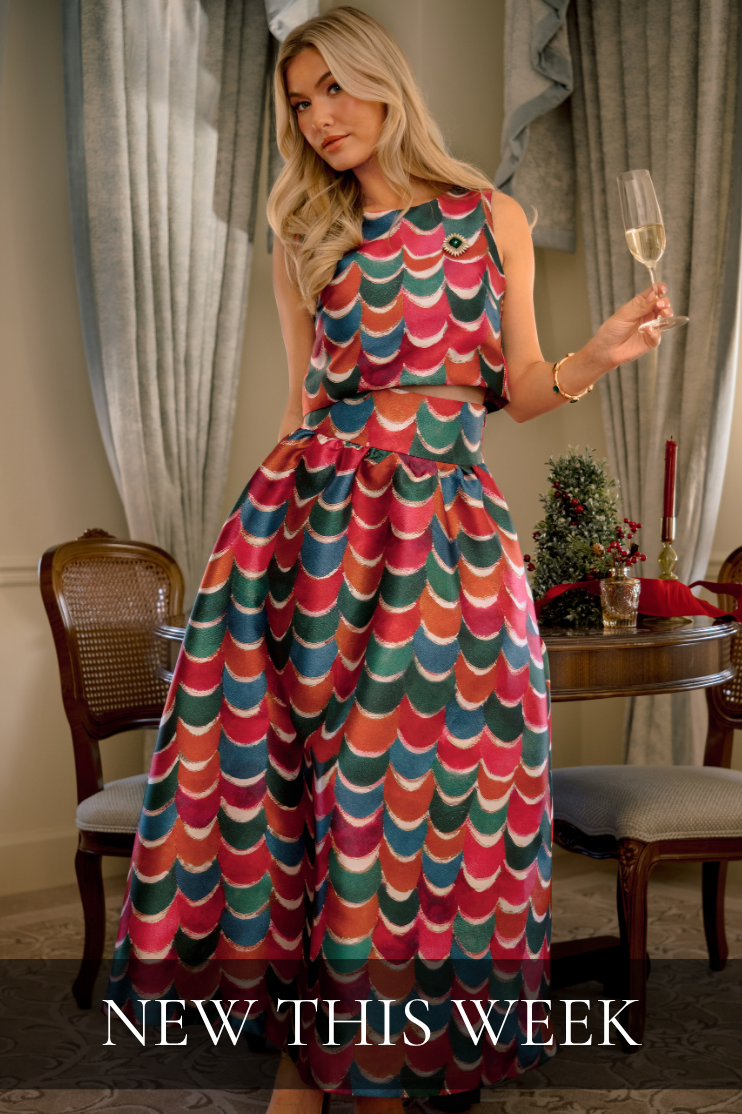
She finally chose a vivid scalloped print with a matching sweeping ball skirt, an outfit perfectly capable of drawing criticism from women who could not afford it. By the time she was satisfied, she looked exactly as she intended to: beautiful, composed, and expensive enough to make several of her mother’s oldest rivals wonder whether grief had perhaps improved the girl.


When she entered the ballroom, her father looked up from a conversation with the hotel manager and stared.
“Well?” Calista asked.
He smiled.
“You look like your mother.”
“Is that a compliment?”
“It’s a warning.”
“Good.”
She adjusted one earring and scanned the room. “Have you seen Margaret?”
“No.”
“I’m trying to decide whether her lateness is strategic.”
“With Margaret, everything is strategic.”
“That’s what makes her so tiresome.”
Judson glanced at his daughter.
“And yet.”
“And yet,” Calista said, “here we are.”
Guests began to arrive in earnest at half past six, trailing fur collars, perfume, and Lowcountry opinions. Women appeared in jewel tones and satin. Men did their best to look relevant. Old names glided through the room with the confidence of families who considered social survival a hereditary skill. In Charleston, it is.
Calista greeted them one by one, kissing cheeks, accepting compliments, and mentally revising several seating arrangements.
At seven o’clock, Margaret arrived.
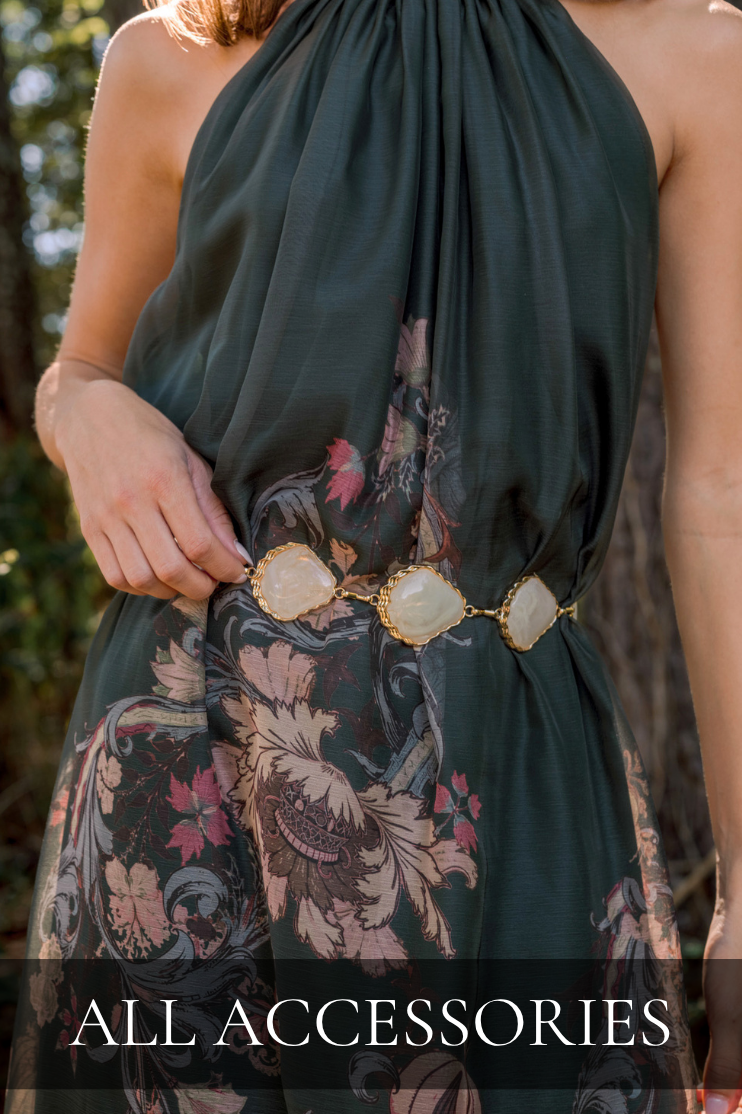
She entered the ballroom in a deep green gown, tiered and floating, the neckline rising around her face in a dramatic flourish that made lesser women look as though they had lost a fight with their own clothing. On Margaret, it was magnificent. The color sharpened her eyes. The movement of the skirt softened nothing else.


Conversation faltered for the brief, delicious second reserved for a truly successful entrance.
Calista, who never enjoyed sharing those, felt a small and immediate irritation.
“Well,” she murmured, “that’s inconvenient.”
Her father glanced over.
“She looks lovely.”
“I noticed.”
Margaret crossed the room with the calm of a woman who had not just caused three hostesses to reconsider their own wardrobes.
When she reached Calista, she kissed the air near her cheek.
“Good evening.”
“You’re late.”
“I know.”
“You did it on purpose.”
“Of course.”
Calista looked her over again.
The gown floated when she walked, and the effect was maddeningly beautiful.
“You might have had the decency to arrive looking slightly worse.”
Margaret’s mouth lifted.
“And deprive you of this character-building experience?”
“I see Charleston hasn’t improved your nature.”
“On the contrary,” Margaret said. “It reminds me why I left.”
They were still smiling when a woman from East Bay approached to tell them how extraordinary they both looked and how delighted she was to see the old DeVere traditions returned. She then remained standing there long enough to suggest she expected gratitude for having noticed.
Calista thanked her.
Margaret waited until the woman had moved away before saying, “You seated her near the punch bowl, I hope.”
“Margaret.”
“She talks as though conversation is a philanthropic act.”
“She’s beside the bishop’s wife and across from her former daughter-in-law.”
Margaret nodded approvingly.
“Then you are your mother’s child.”

Dinner proceeded with the uneasy grace of a successful event attended by people who would privately criticize it no matter what occurred.
The candles were low. The silver gleamed. The orchestra behaved itself. Mrs. Artman sent back her fish, not because anything was wrong with it, but because without these moments Charleston women might lose the will to live.
Margaret sat two tables away from Calista and directly across from a man who made the mistake of asking whether Palm Beach had become “too modern” for her taste.
“Modernity has very little to do with it,” she replied. “Bad manners, however, remain timeless.”
He did not attempt a second question.
From the head table, Calista watched this with satisfaction.
The letter remained in her evening bag.
She had intended to speak to Margaret privately before the ball began, but the machinery of the evening had overtaken her. Perhaps that was just as well. A public celebration was a poor setting for a family grievance, unless one was willing to enjoy the consequences. Calista generally was. Tonight, unexpectedly, she was not.
When dessert plates had been cleared and the champagne refreshed, Judson rose to offer a toast.
He spoke of Eleanor as she had been, including the parts Charleston had politely edited out after her death. He spoke of her standards, her beauty, her formidable opinions, and her belief that a holiday table was only worth setting if one intended to make room for the unexpected person.
The room softened.
Even Calista, who had spent half her life resisting sentimentality on aesthetic grounds, felt her throat tighten.
Then her father said, “Eleanor believed a home was tested less by whom it could impress than by whom it would welcome.”
Across the room, Margaret did not move.
Calista looked at her.
And for the first time, the sentence from the letter began to sit beside something larger.
After the applause, while the orchestra prepared the next set, Calista rose.
If her mother was going to revise history from beyond the grave, Calista saw no reason she should be denied the right to answer in public.
“Before everyone begins dancing badly,” she said, “I’d like to add one thing.”
The room laughed.
“My mother loved Christmas. She loved a guest list, a well-brought-up florist, and the satisfaction of being right in rooms full of people who were not. Fortunately for me, she was also occasionally generous.”
Another ripple of laughter.
“She believed hospitality meant more than decoration, more than tradition, and certainly more than pretending to enjoy fruitcake. So tonight, in her memory, I’ll be reestablishing the DeVere scholarship.”
That got their attention.
“Charleston has never suffered from a shortage of charitable committees,” Calista continued. “We can organize luncheons for a cause until the cause dies of old age. I’d prefer this scholarship actually send a girl to school.”
The applause began politely, spreading from table to table as several guests looked around to see who else was clapping. Virginia Castleberry, who had chaired three charitable organizations and could not recall what two of them actually did, appeared uncertain whether she’d just been insulted.
Calista rather enjoyed watching her decide.
Across the room, Margaret was smiling. It was a small smile, easily missed by anyone who hadn’t spent the better part of a year trying to provoke her.
Calista noticed.
For the first time that evening, she felt she’d said something her mother might actually have been proud to hear.

Judson touched her hand once beneath the table.
“You didn’t warn me.”
“No.”
“You sound more like your mother every day.”
Calista smiled into her champagne.
“I was hoping you’d find that alarming.”
The ball lasted another two hours.
There was dancing. There were compliments. There were two near-scandals, neither of which quite developed as hoped. One guest cried. Another pretended not to. Charleston conducted itself with the earnest, overdecorated dignity of a city committed to enjoying itself properly.
By midnight, the guests had gone.
The ballroom looked tired and beautiful. A heel had been abandoned beneath one chair. Someone’s wrap lay forgotten near the cloakroom. The hotel staff moved quietly through the remains of the evening, clearing glasses with the kind discretion money liked to imagine was effortless.
Calista escaped upstairs and changed.
If the ball had required one version of her, the hour afterward required another.
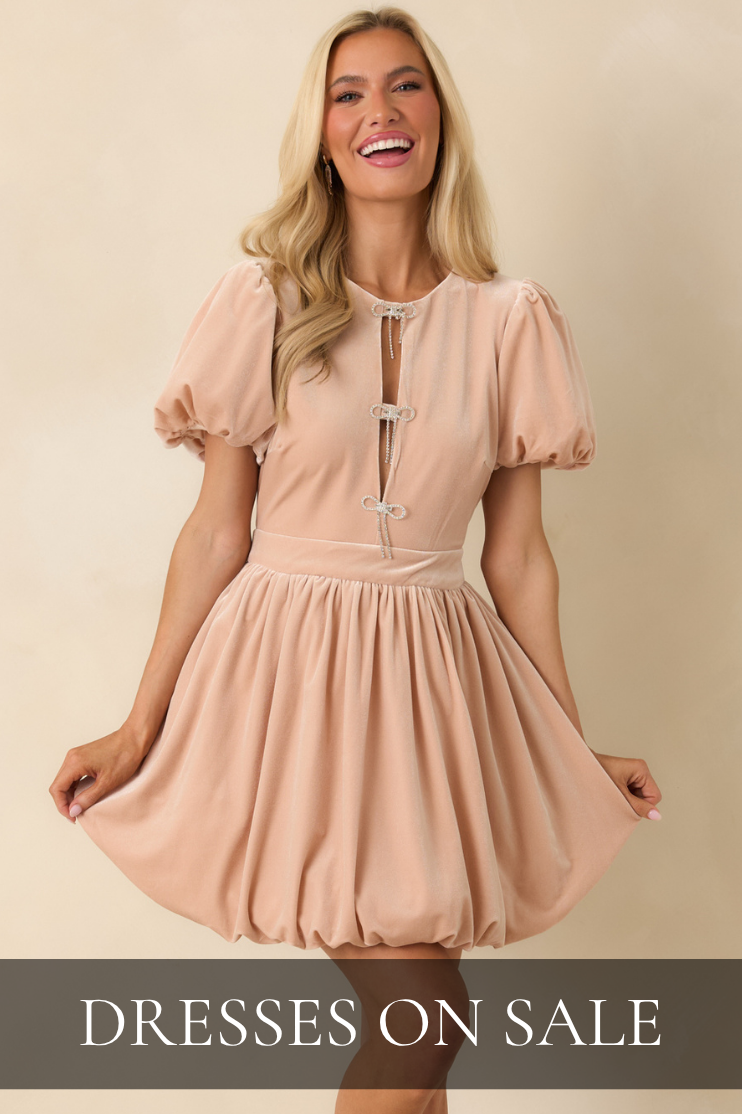
She emerged later in a black mini dress with long sequined sleeves and a gathered satin bubble hem, black tights, and the expression of a woman who had not yet decided whether she would be celebrating or recovering. She did know a drink was in order.
She found Margaret in the hotel bar.
Margaret had changed as well.
Gone was the green gown. In its place, a black velvet smoking jacket and matching velvet trousers, sharp and quiet and impossibly chic. She looked like a woman who had no intention of ever being underdressed, even in private, and would consider the phrase casual cocktail a personal affront.

Calista paused at the bar entrance.
“Well,” she said, “that’s annoyingly good.”
Margaret glanced up from her drink.
“You changed.”
“So did you.”
“I had no wish to discuss your mother while wearing three tiers of green chiffon.”
“That’s oddly specific.”
“And you appear to have dressed for trouble.”
Calista slid onto the stool beside her.
“I dress for many things. Trouble simply arrives most often.”
The bartender approached.
“Another martini for you, ma’am?”
Margaret nodded.
Calista considered the bottles behind him.
“What are you having?” Margaret asked.
“I think something foolish.”
“How unlike you.”
Calista ignored this.
“What’s the most festive drink on the menu that a respectable woman can order without being removed from society?”
The bartender thought for a moment.
“Brandy Alexander?”
Margaret looked pained.
“Oh, definitely that,” Calista said.
When the drinks arrived, Calista examined hers with suspicion and delight.
“It looks like a dessert with poor judgment.”
“That’s because it is,” Margaret replied.
They sat in silence for a moment.
The bar was nearly empty. A couple from Atlanta occupied a table near the windows, drinking old-fashioneds and speaking in whispers so intent they were either falling in love or discussing espionage. A waiter polished glasses behind the counter. Christmas music drifted in from the lobby, faint enough not to be offensive.
Calista took a sip.
“Oh, that is ridiculous.”
“Then it suits you.”
Margaret lifted her martini.
“To your scholarship.”
Calista blinked.
“I thought you might disapprove.”
“Of course I disapprove. It was announced publicly and without adequate warning. But I approve of the idea.”
Calista smiled.
“I’ll take what I can get.”
Margaret turned her glass by the stem.
“Your mother would have understood the gesture.”
“Would she?”
“Yes.”
Calista studied her.
“You loved her very much.”
“I told you that already.”
“Yes, but now I’m trying to understand what kind of woman would inspire such loyalty in two people who are otherwise extremely difficult.”
Margaret gave a short laugh.
“That is one of the least flattering compliments I’ve ever received.”
“I meant it kindly.”
“I know. That’s what makes it suspicious.”
Calista rested one elbow on the bar.
“Margaret.”
“What?”
“Do you dislike me?”
Margaret considered this with appalling seriousness.
“Frequently.”
Calista stared.
“Well.”
“You ask as though the answer might reasonably be no.”
“I had hoped for diplomacy.”
“Why?”
“It’s Christmas.”
Margaret took another sip of her martini.
“I think you are vain, meddlesome, theatrical, occasionally selfish, and in possession of more confidence than any single woman should be allowed.”
Calista folded her hands.
“Go on.”
“I also think you are more loyal than you care to admit, much cleverer than is comfortable for your enemies, and considerably less shallow than your wardrobe suggests.”
“My wardrobe is not shallow. It is specific.”
“Fine. Specific.”
Calista smiled despite herself.
“And you?” Margaret asked. “Do you dislike me?”
“Frequently.”
“Good.”
“You’re judgmental, impossible, and deeply committed to being right even when it would be more attractive to be generous.”
Margaret inclined her head.
“Accurate.”
“You’re also brave in ways I didn’t understand until recently.”
That landed between them more quietly.
Margaret looked down at her glass.
For once, neither woman hurried to improve the moment with a joke.
Calista lifted her drink.
“So,” she said at last, “if friendship is asking rather a lot—”
“It is.”
“—what about an alliance?”
Margaret looked at her.
“Against whom?”
Calista took another sip of the Brandy Alexander and considered.
“Charleston. Palm Beach. Bored women with clipboards. Anyone who says ‘no one talks about these things’ as though that has ever improved them.”
Margaret’s mouth curved.
“That is an unusually long enemies list.”
“I’ve edited for time.”
Margaret picked up her martini.
“An alliance,” she said. “Provisional.”
“Everything worth having is.”
Their glasses touched.

At the far end of the bar, the bartender pretended not to notice. Calista smiled into her drink.
It was not friendship. Friendship would have been too simple, and neither of them had ever cared for simple things.
But an alliance?
That, at least, sounded like the sort of arrangement two women like them might survive.
And perhaps, given enough champagne and enough time, even enjoy.
The Second Page
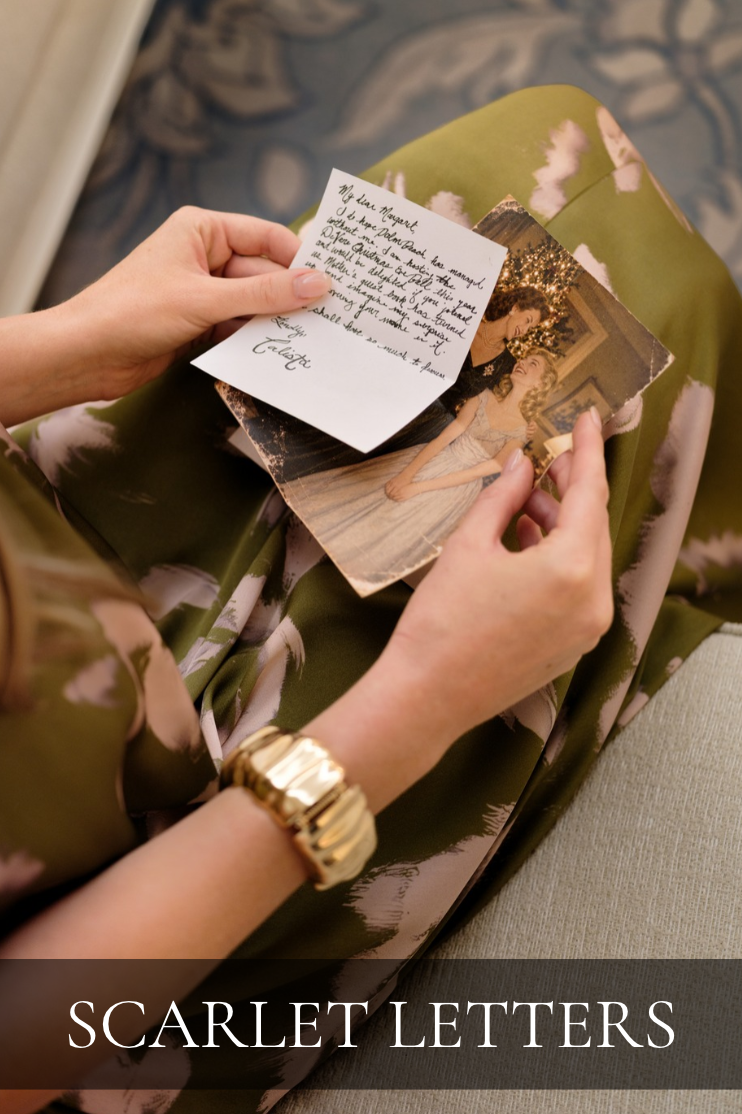
Christmas morning found Calista sitting beside the window of her hotel suite, drinking tea that had gone cold and reading the second page of her mother’s letter for the third time.
She had slept badly.
This was unusual. Calista considered a good night’s sleep one of life’s more basic entitlements, along with competent service, properly chilled champagne, and the right to refuse invitations without providing an explanation. She had been denied all four at various points during the previous twenty-four hours and was beginning to feel personally persecuted.
The evening itself had ended well enough, in the hotel bar, with an alliance Margaret insisted was provisional. Then she’d remembered the letter.
The second page had been folded beneath the first, written in Eleanor’s unmistakable hand. Calista had put off reading it, partly because she had already learned enough about her mother for one Christmas Eve and partly because the dead had an appalling advantage in an argument.
They could say absolutely anything they pleased without being required to answer for it.
Now, in the clear light of Christmas morning, she knew the rest of what Eleanor had wanted her to understand.

The disagreement between Margaret and her mother had begun in 1962, when Eleanor persuaded the DeVere family to establish a scholarship for young women who lacked the financial means to continue their education.
It was an admirable idea.
Naturally, Charleston had formed a committee and very nearly ruined it.
The committee, chaired by Calista’s grandmother, had decided the scholarship should be awarded to a deserving young woman of suitable family background. Unfortunately, its understanding of suitable appeared to have excluded nearly everyone who might actually have needed the money.
Margaret, who had been helping Eleanor organize the scholarship, objected.
A young woman named Ruth Bell had applied. She was the daughter of a seamstress, an excellent student, and a talented young dressmaker who hoped to further her training.
Calista stopped reading.
Ruth Bell.
She glanced toward the pink tartan dress hanging on the wardrobe door, where the hotel had returned it pressed, and reached for the neckline. Sewn into the seam was a small ivory label.
Ruth Bell. Charleston.
Calista looked from the label to her mother’s handwriting.
“Well, I’ll be damned.”
The woman had made both her dress and Margaret’s. Calista thought back to their encounter in the lobby and began to laugh. She wondered whether Ruth had known precisely what she was doing when she’d accepted both commissions.
She rather hoped so.
Still smiling, Calista returned to the letter.
Ruth had earned the opportunity.
The committee rejected her.
Eleanor voted with them.
Margaret, who had never possessed the ability to remain quiet merely because silence would be more convenient, challenged the decision publicly.
Their argument became the talk of Charleston.
Eleanor accused Margaret of humiliating her.
Margaret replied that Eleanor had managed that quite well on her own.
Neither woman apologized.
Years passed.
Eleanor’s letter explained what Margaret had not known.
After the scholarship committee rejected Ruth, Eleanor had gone to the girl’s house. She sat at the kitchen table with Ruth and her mother, admitted what she had done, and offered to pay for Ruth’s education herself.
She continued paying every term until Ruth graduated.
Eleanor never told Margaret.
The letter was honest about the other thing, too. When Eleanor asked Margaret not to come to the house again after the argument, she had meant it for a month. She had let it stand for the rest of her life, and by the end she had been too proud, and then too ill, to unsay it.
I told her to stay away, darling, and then I was angry with her for doing as I asked. I have never understood how I managed that, but I did.
The letter ended with a sentence Calista had underlined twice.
I spent a great deal of my life worrying about what people would think of me, darling. I hope you will find better things to occupy yours.

Calista stared at it.
“Well, Mother,” she said aloud, “you might have mentioned that before I inherited the stationery.”
She folded the letter, then unfolded it again.
Calista had so many questions now. She wondered whether Eleanor had ever missed Margaret enough to pick up the telephone, whether she’d thought about Ruth in the years after paying her tuition, and how many other things she’d regretted but been too proud to put right. There was so much about her mother she had never thought to ask, and now she would have given a small fortune for one more ordinary afternoon with her.
She could almost hear Eleanor complaining about the weather, recounting something entirely inappropriate a woman from church had said, and eventually turning her attention to Calista’s hair, which she’d considered a lifelong disappointment.
Calista would have let her criticize every strand.
Instead, she had a letter.
And a telephone.
She reached for the latter.
Margaret answered on the sixth ring.


“Hello?”
“Come upstairs.”
A pause.
“Good morning to you too.”
“Are you dressed?”
“Calista, it’s half past ten.”
“That wasn’t my question.”
“I’ve been dressed for two hours.”
“Of course you have. Bring your spectacles.”
“My spectacles?”
“And whatever you use to survive disappointment.”
“A martini?”
“It’s ten-thirty in the morning.”
“I’ll bring two.”
Margaret arrived twenty minutes later looking remarkably well for a woman who had spent the previous night negotiating a political alliance over cocktails.
Calista regarded this as deeply unfair.
“How are we feeling?” Margaret asked.
“Allied, apparently.”
“Temporarily.”
“Naturally. I wouldn’t want to interfere with your existing commitments to being unpleasant.”
Margaret settled into a chair.
“Have you finished reading your mother’s letter, or have you summoned me here to discuss the terms of our surrender?”
Calista handed her the second page.
“Unfortunately, I think Mother has left us another committee to deal with.”
Margaret began reading.
For several minutes the room was quiet.
Calista watched her face. Margaret rarely permitted an expression to develop beyond the point at which it might reveal something useful to another person. But as she reached the passage about Ruth Bell, her composure changed.
“She paid the tuition?”
“Every term.”
Margaret lowered the letter.
“I didn’t know.”
“Neither did I.”
Margaret looked toward the window.
“I’ve bought from her for six years,” she said. “I never told her I knew the name.”
Calista said nothing. For once, it seemed the wiser course.
For seven years she had believed that Eleanor had chosen her family’s approval over the future of a young woman who had earned an opportunity. The private payments did not excuse that decision, and Margaret knew it. But she had also spent those years believing her friend had done nothing to correct it.
Now she knew Eleanor had tried.
“I wish she’d told me,” Margaret said.
“So do I.”
Margaret read the last paragraph again.
“She always was impossibly proud.”
Calista leaned against the writing desk.
“That explains where I get it.”
“Among other things.”
“I was hoping you’d overlook the others.”
“Darling, I’d need considerably stronger spectacles.”
Calista smiled.
Then she picked up the guest book.
“I announced last night that I was bringing back the scholarship.”
“Yes. With absolutely no warning to anyone who might be expected to administer it.”
“Well, I couldn’t very well announce that I intended to think about it.”
“That would have been a novel approach.”
Calista ignored her.
“If we’re going to do this, I don’t want Mother’s committee deciding who deserves an education.”
Margaret looked up.
“Neither do I.”
“Then we’ll find people who actually understand the schools. Teachers. Headmistresses. Someone who has met a deserving student without first requesting her family tree.”
Margaret considered the suggestion.
“And what do you intend to do about your grandmother’s friends?”
“Most of them are dead.”
“The surviving ones?”
“I suppose they’ll have to find another occupation.”
“Calista.”
“Margaret, they’re perfectly welcome to contribute money. I’m merely suggesting they refrain from choosing the recipients based on whether their mothers attended the correct luncheon.”
Margaret folded the letter.
For the first time that morning, she smiled.
“I may live to regret this alliance.”
“Oh, undoubtedly.”
Ruth Bell was in the middle of preparing Christmas dinner with her mother when the telephone rang.
She had little reason to expect a call from Calista Beauregard DeVere, although the name was hardly unfamiliar. She’d spent the better part of the previous week fitting the woman for a pink tartan dress, listening to her opinions on everything from hemlines to the declining standards of Charleston society.
Calista introduced herself, explained that a letter had turned up among her mother’s papers, and asked whether they might speak.
“Of course, Miss DeVere. Is there something wrong with the dress?”
“No, no. The dress is magnificent. Although I have a question about that as well.”
Ruth waited.
“Did you know Margaret Evans had ordered the same tartan?”
There was a brief silence.
“Miss DeVere, I’ve always believed a good dressmaker should respect her clients’ privacy.”
Calista smiled.
“That wasn’t exactly an answer.”
“I know.”
Calista began to laugh. She liked this woman already.
“Well, you certainly provided Charleston with something to discuss.”
“I understand the dresses were quite a success.”
“Oh, enormous. Margaret nearly had a stroke.”
“I’m pleased to hear she recovered.”
Calista laughed again.
Then she looked down at Eleanor’s letter.
“Ruth, I actually called about my mother.”
The conversation grew quieter.
“Miss Eleanor paid for my training,” Ruth said. “I imagine you’ve discovered that.”
“I have. And I know about the scholarship committee.”
Ruth said nothing.
“I’d like to know whether Mother ever made things right with you.”
“She came to our house after the committee meeting. Sat right down at the kitchen table and told us she’d been wrong. Then she offered to pay for the training I’d hoped to receive. My mother thought she’d misunderstood her.”
“And you?”
“I took her up on it.”
Calista smiled.
“I think Mother would have approved.”
“She did. She came to see my work whenever I had something new to show her. She was very particular about the finishing.”
“Good heavens. I wonder where I inherited that.”
Ruth laughed.
“She was good to me, Miss DeVere. I wouldn’t have been able to establish my business without that training.”
Calista looked again at the letter.
“But you wish she’d stood up for you at the committee meeting.”
“I do.”
There was no bitterness in Ruth’s voice, which somehow made the admission harder to hear.
“Your mother did a wonderful thing for me afterward. I’ve always been grateful. But I remember sitting in that room while people who’d never met me decided I wasn’t suitable. I would have liked someone to tell them they were wrong while I was still there to hear it.”
Calista sat with that for a moment.
“I think you deserved that.”
“Thank you.”
“I’m restarting the scholarship, Ruth. And I’d like your help. I think we’ve spent quite enough time allowing people who’ve never had to earn a living to decide who deserves an opportunity.”
Ruth laughed softly.
“That may make your committee meetings rather uncomfortable.”
“I’m beginning to think that’s exactly what’s been missing.”
When the conversation turned toward Christmas, she asked whether Ruth and her mother had plans for dinner.
“We’re having dinner at home.”
“Would you consider joining us instead?”
“At the DeVere house?”
“At the hotel, actually. I’ve apparently developed a habit of spending Christmas there.”
Ruth laughed.
“It’s very kind of you, Miss DeVere, but we wouldn’t want to intrude.”
“Ruth, I’ve spent the better part of my life entertaining people who were intruding. At least you would be someone I actually wanted to meet.”
“Well, let me ask Mother.”
“Please do. And tell her I promise there won’t be a committee.”
By noon, Calista had assembled a guest list for Christmas dinner.
Margaret examined it with growing concern.
“Calista, you’ve invited the florist.”
“He worked all night.”
“And the hotel staff?”
“The ones who aren’t working. I’ve arranged extra coverage for anyone who wishes to come.”
“And who’s this?”
Calista leaned over her shoulder. “The widow Daddy mentioned. Her children are away.”
“And these?”
“A family stranded here because their flight was canceled.”
Margaret continued down the list. “How many people are you expecting?”
“Thirty-two. Possibly thirty-four.”
“It’s Christmas morning.”
“I have a calendar, Margaret.”
“The kitchen will need notice.”
“They’ve had notice.”
“Since when?”
“Ten minutes ago.”
Margaret removed her spectacles. “You are a menace.”
“I’ve been called worse.”
“I know. Most of it was accurate.”
Calista smiled.
Margaret looked at the list again. “Your mother would have loved this.”
“Mother would have wanted to choose the flowers.”
“She certainly would.”
“And she’d have complained about the seating.”
“Without question.”
“Then she’ll be with us in spirit, won’t she?”
Margaret laughed.
Calista recognized the laugh immediately. She’d heard it only once before, in her imagination, while staring at the photograph from 1959. Hearing it now, in her own sitting room, was something she wished she could tell her mother about.
She suspected Eleanor would have been insufferably pleased.