





Plaid Dresses & Outfits for Women
Shop plaid dresses and outfits in tartan, gingham and classic checked patterns, with mini, midi and maxi dresses alongside skirts, tops, jackets and matching separates. From crisp cotton checks to softer knits and polished woven fabrics, plaid can feel tailored, playful, traditional or completely unexpected depending on the colors and silhouette around it.
What is the difference between plaid, tartan and gingham?
Plaid is the broad term for patterns made from intersecting horizontal and vertical lines.
Tartan is a type of plaid built from repeating bands of color, often with several shades crossing through the same pattern. It is the style most closely associated with traditional Scottish dress and many of the red-and-green patterns we see during the holidays.
Gingham is simpler, usually made from evenly sized checks in two colors. It creates a cleaner, more graphic effect than a multicolor tartan.
If you love the pattern but do not care what category it technically belongs to, that is fine too. Start with the colors and scale you are drawn to.
Which plaid dress should I choose?
The silhouette can completely change how plaid feels.
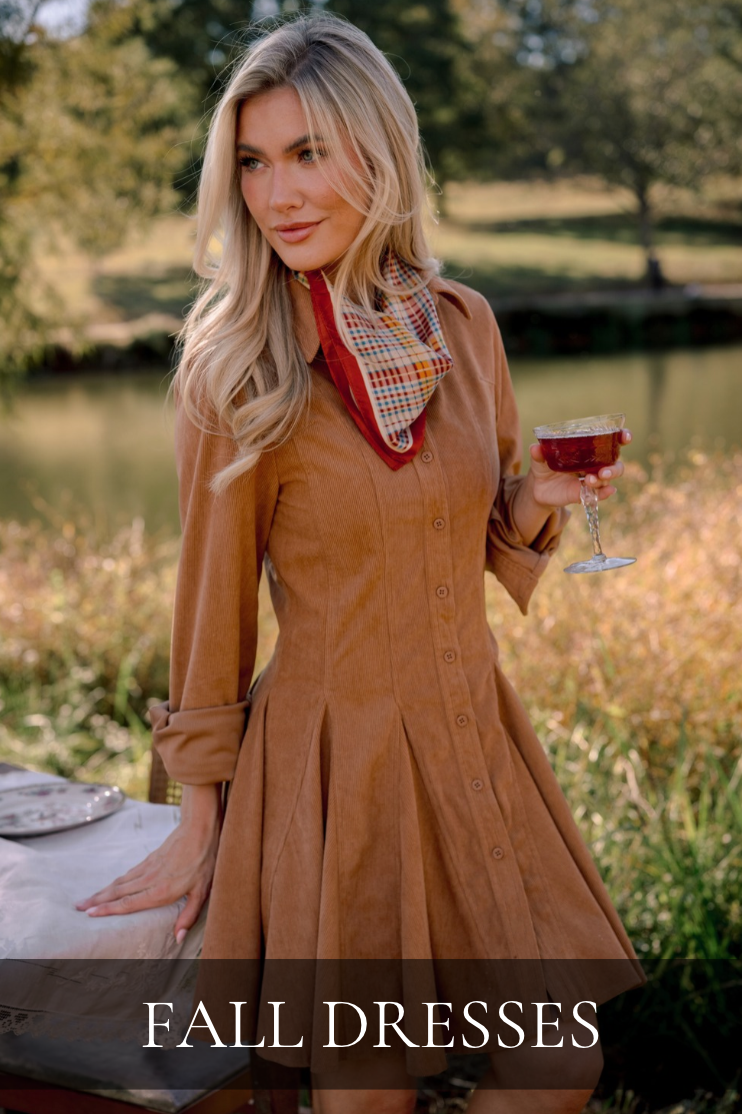
A Shirt Dress gives the pattern a tailored structure through its collar and button front. A full-skirted midi feels more romantic, while a shift or drop-waist mini keeps the shape simpler and lets the check become the focus.
If length is your starting point, compare Mini Dresses, Midi Dresses and Maxi Dresses to see how plaid changes across different proportions.
Does plaid have to be for fall?
Not at all.
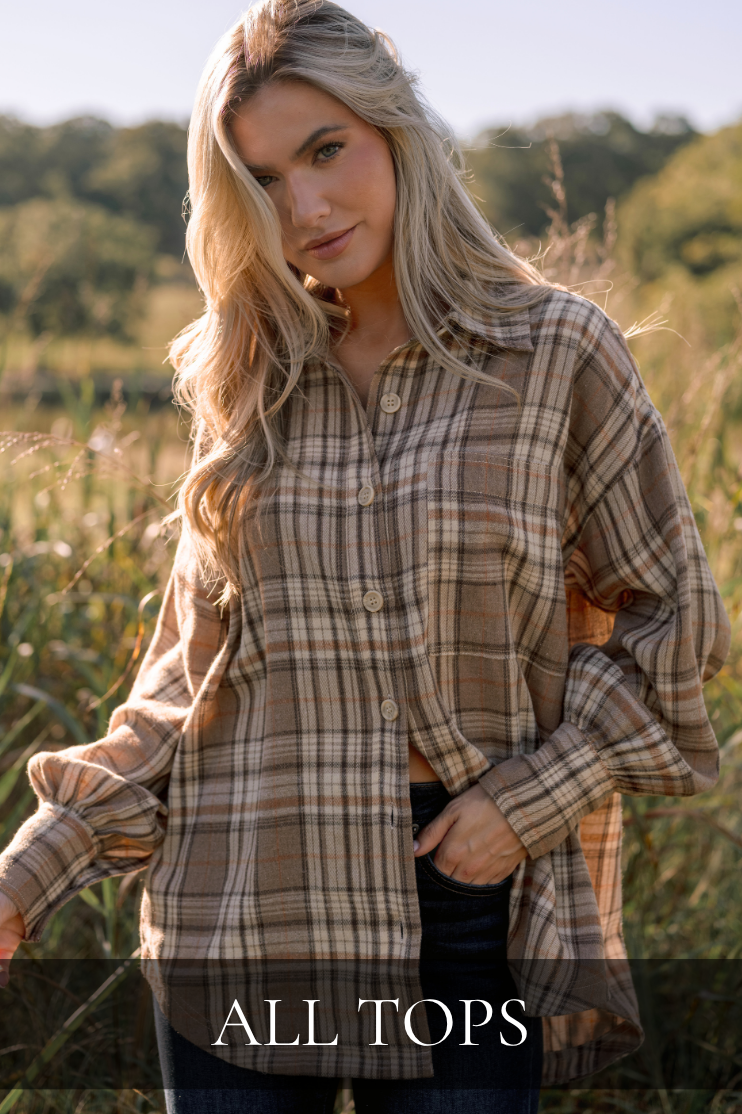
Brown, camel, navy and olive checks fit naturally into fall, but the pattern itself is not tied to one season. Pink and green, blue and white, lighter cotton checks and gingham can work beautifully in spring and summer.
Fabric makes the bigger difference. Cotton keeps plaid lighter and more casual, while wool blends, knits and heavier woven fabrics give the pattern more weight for cooler weather.
When autumn is specifically what you are shopping for, browse Fall Plaid for deeper colors, seasonal layers and fall-ready fabrics.
How can I wear plaid without making the whole outfit feel busy?
Let one plaid piece set the direction.
A plaid skirt works easily with a solid sweater, blouse or tee pulled from one of the colors in the pattern. A plaid jacket can sit over denim and a simple top. With wide-leg plaid pants, a quieter top gives the pattern room to stand out.
Matching plaid separates create a stronger statement, while wearing the pieces individually gives you more ways to use them.
You do not need to match every color in the plaid. Repeating one shade somewhere else in the outfit is usually enough to make the pieces feel connected.
Can I mix plaid with another pattern?
Yes, but look for something that gives the two patterns a reason to belong together.
Keeping one color consistent across both prints can help. Scale matters too: a larger plaid beside a much smaller stripe or subtle print is usually easier on the eye than two patterns competing at the same size.
If you would rather keep the plaid as the only print, texture can add interest instead. Denim, suede, velvet and knitwear all give a plaid outfit another layer without introducing a second pattern.
How does plaid work for Christmas and holiday dressing?
Red, green and navy tartans naturally feel festive, especially in dresses, skirts and tailored separates. Velvet trim, gold buttons and richer woven fabrics can make the pattern feel even more suited to the season.
A plaid dress can carry the outfit with simple shoes, while a tartan skirt works with a solid sweater or blouse. For a wider selection beyond plaid, browse Holiday Dresses.
What should we wear with plaid for family photos?
One plaid piece can give the entire group a color palette.
If a dress contains navy, green, ivory and red, the other outfits can pull from those shades in solids instead of putting everyone in matching plaid. The result feels connected without looking like a uniform.
This works outside the holidays too. A brown, camel and cream plaid can guide a fall photograph, while a lighter blue or green check can do the same thing in spring.
The goal is coordination, not cloning.